






#TUROMASTECHNOLOGY
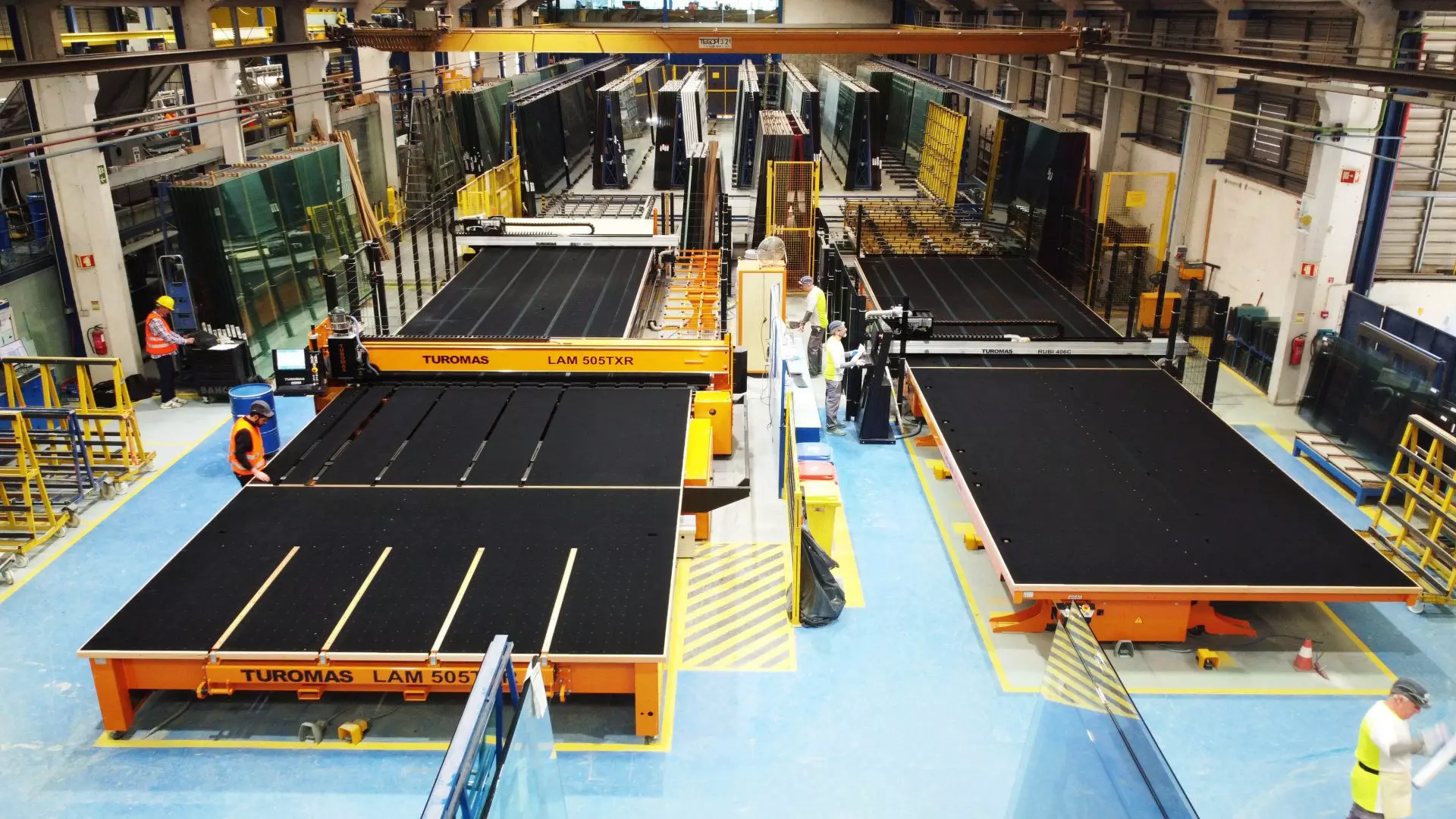
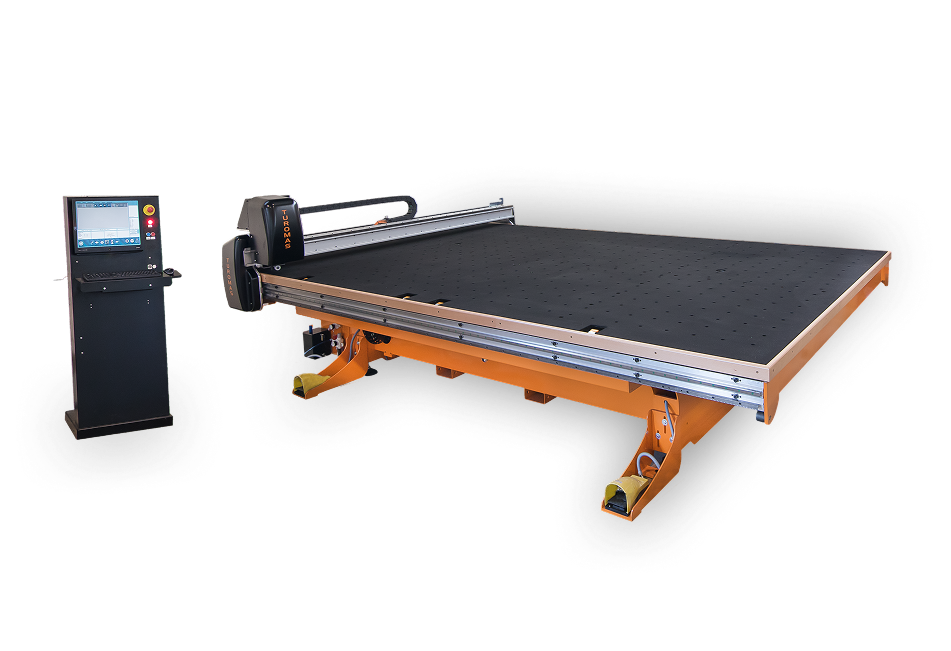
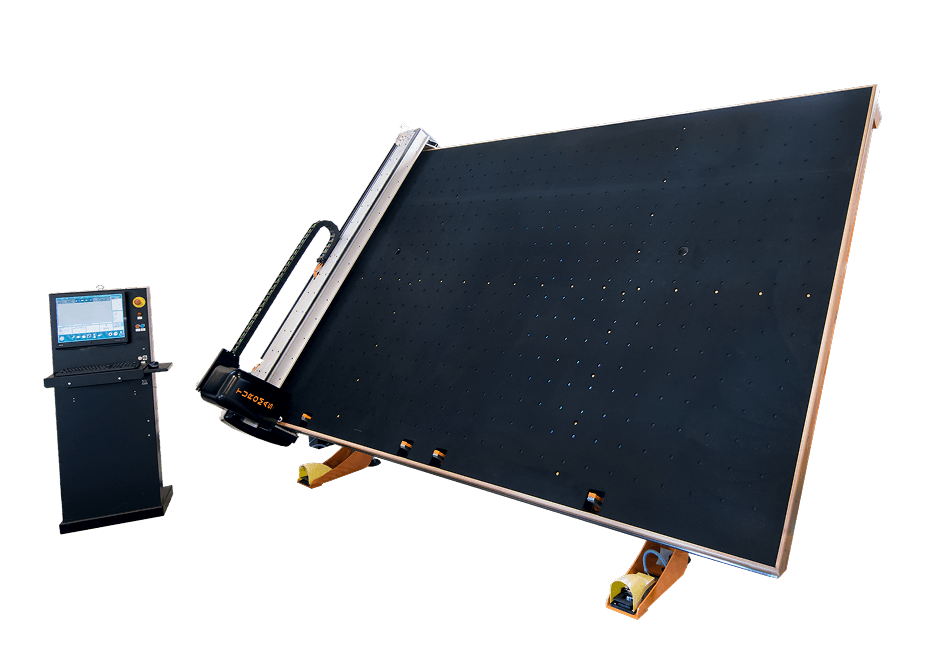
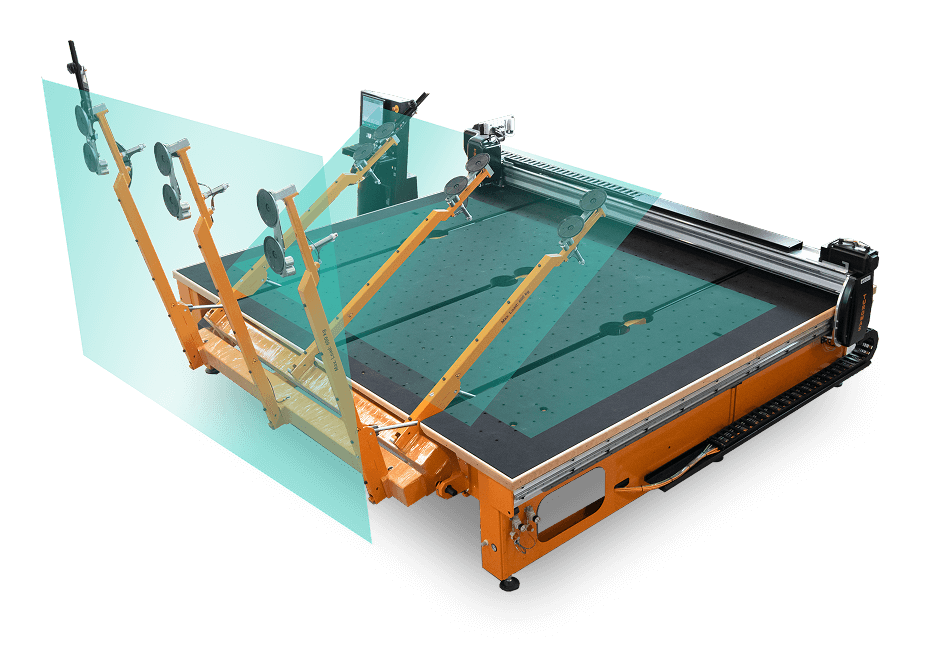
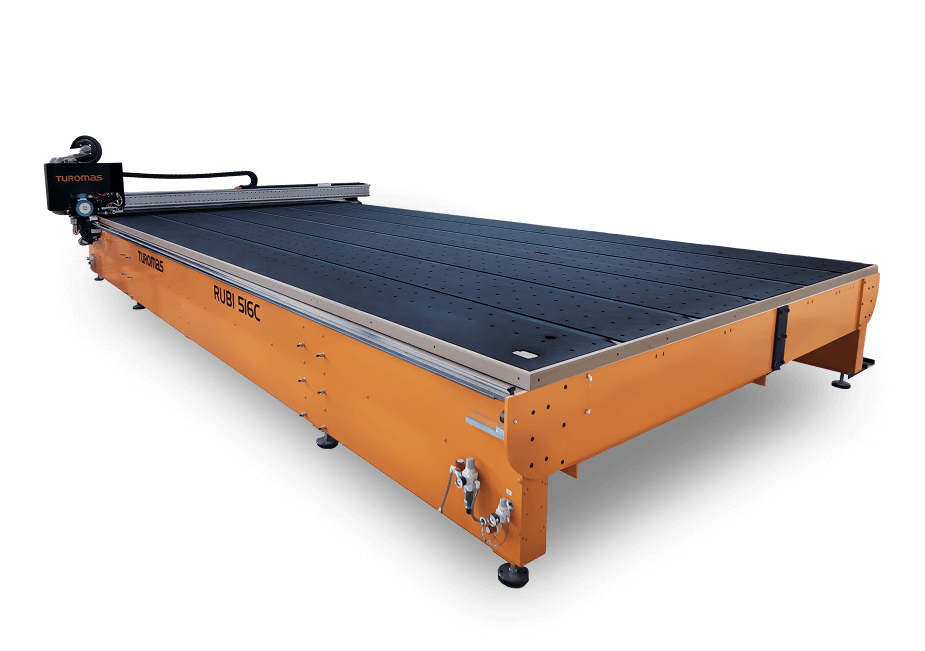
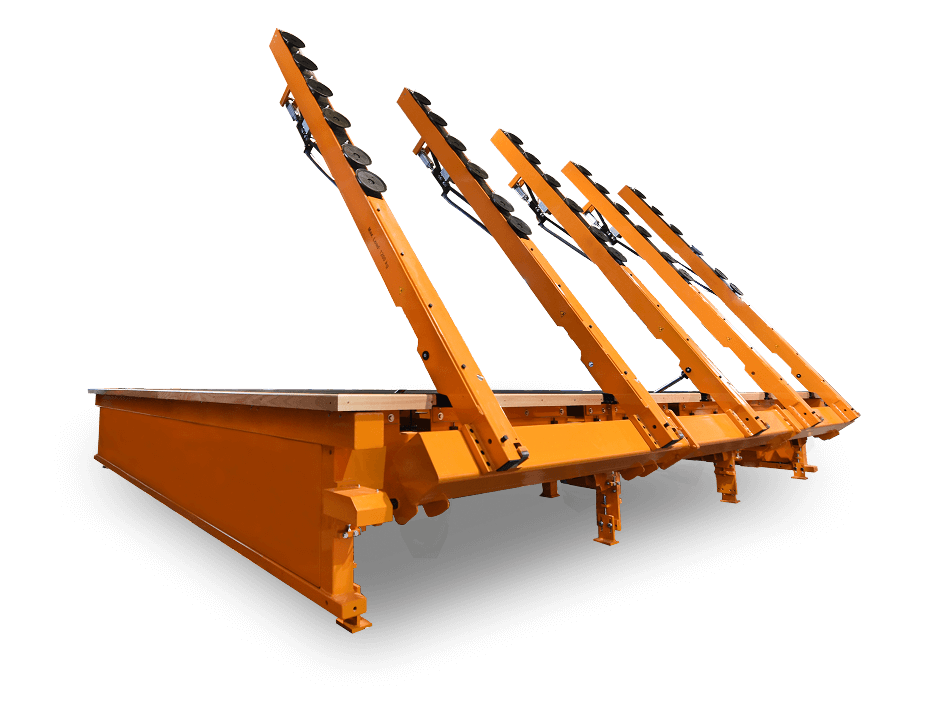
The surface of TUROMAS cutting tables, much like those of other manufacturers, had primarily been made of wood. Wood is a living material that undergoes changes with cold, heat, and, above all, humidity. The deformation it suffers when absorbing moisture directly hinders the optimal cutting of glass.
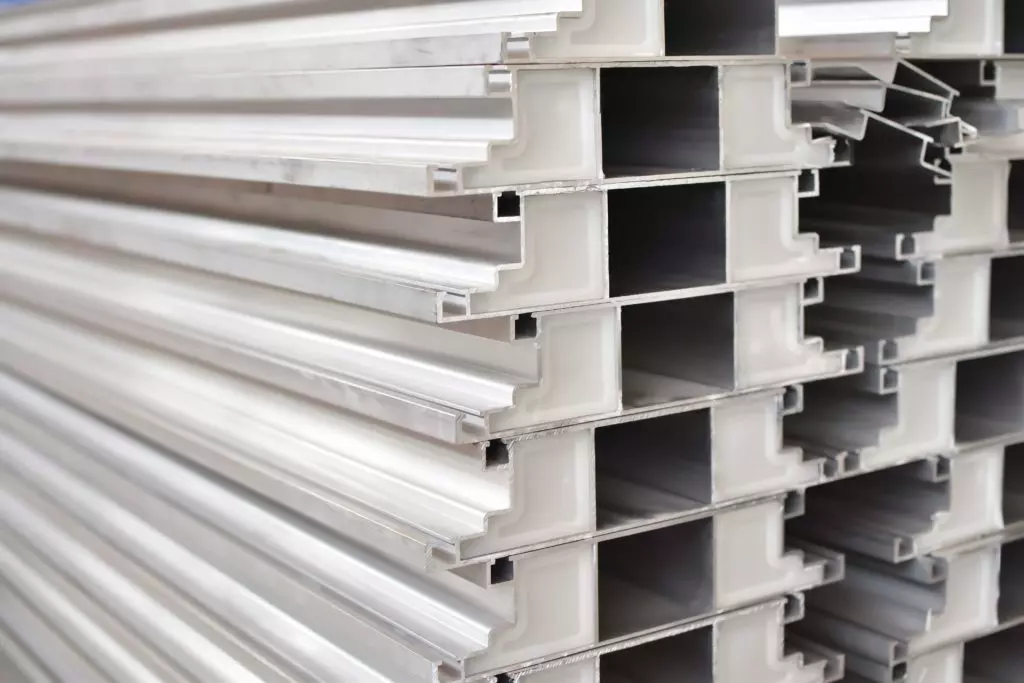
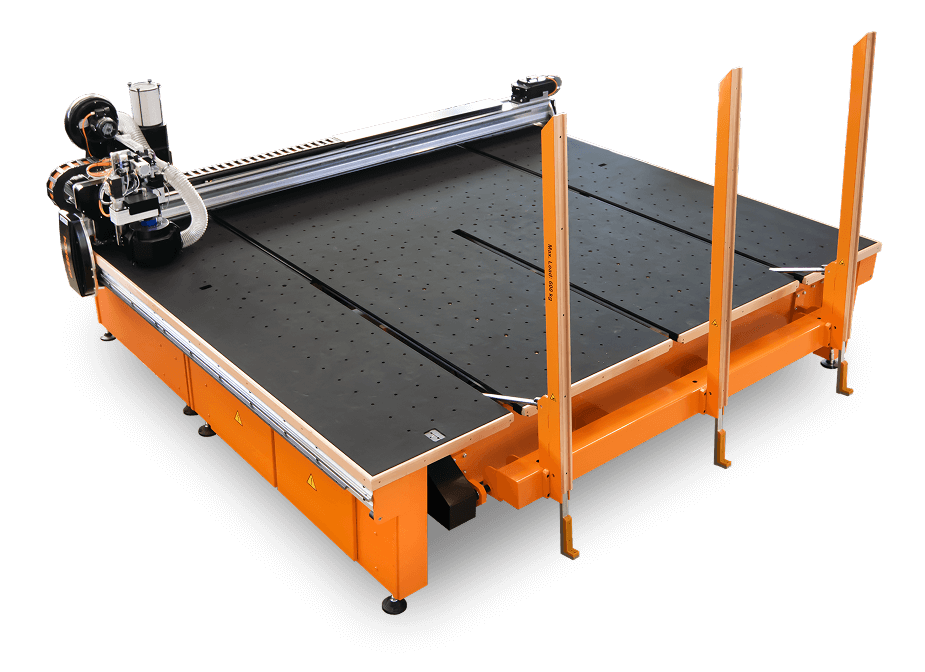
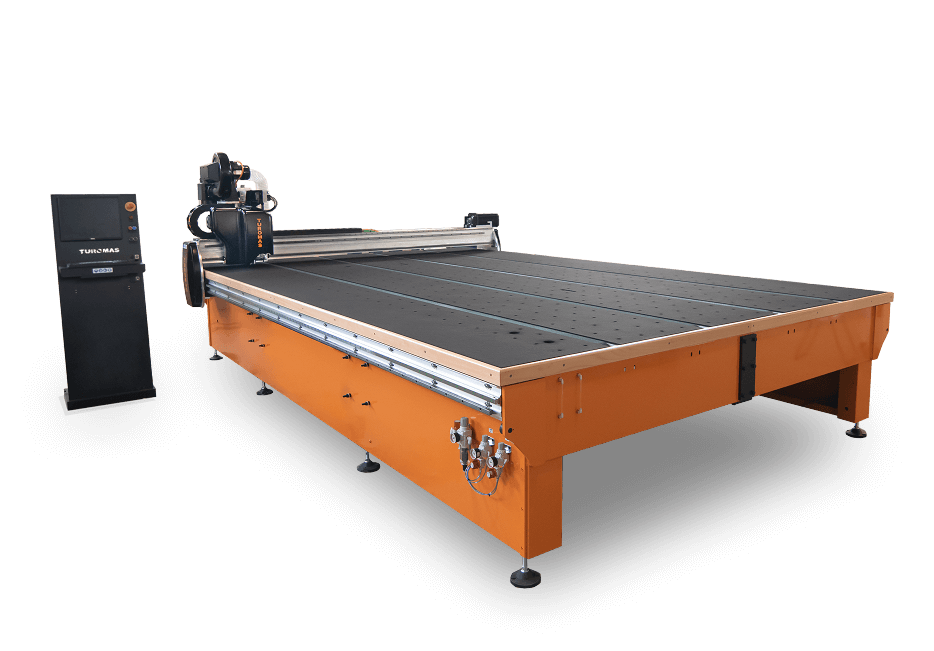
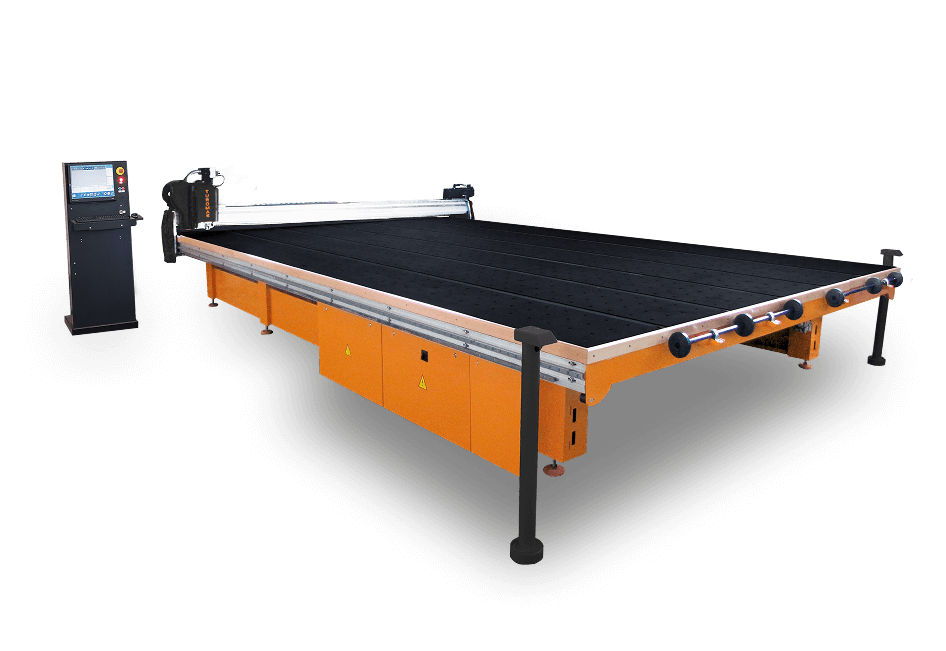
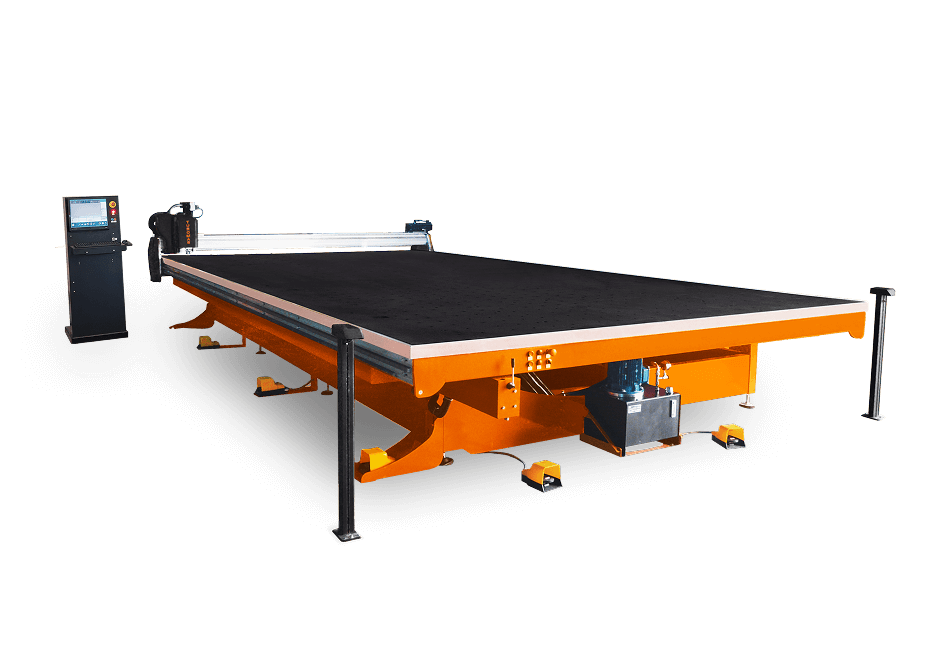
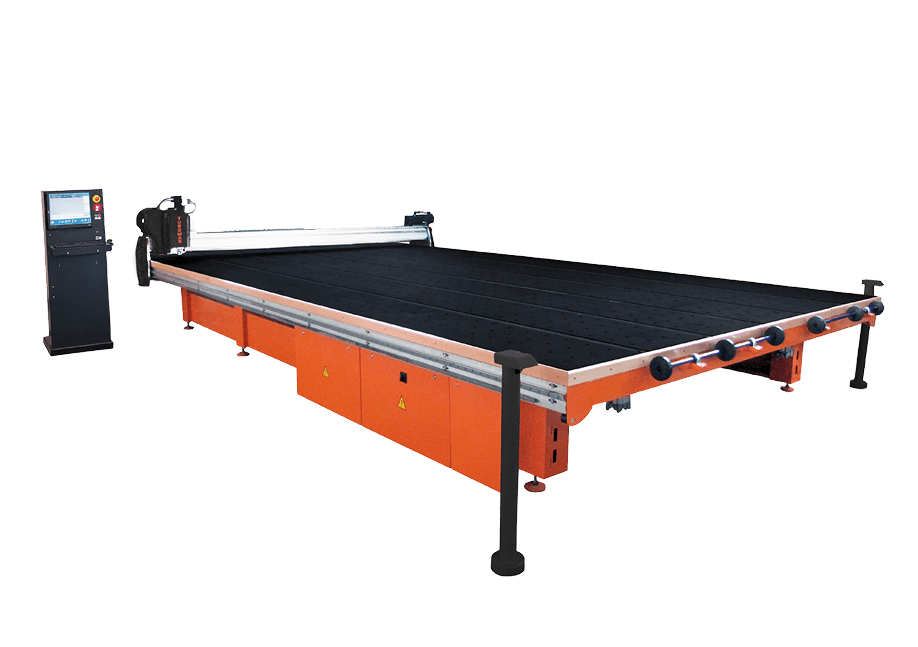
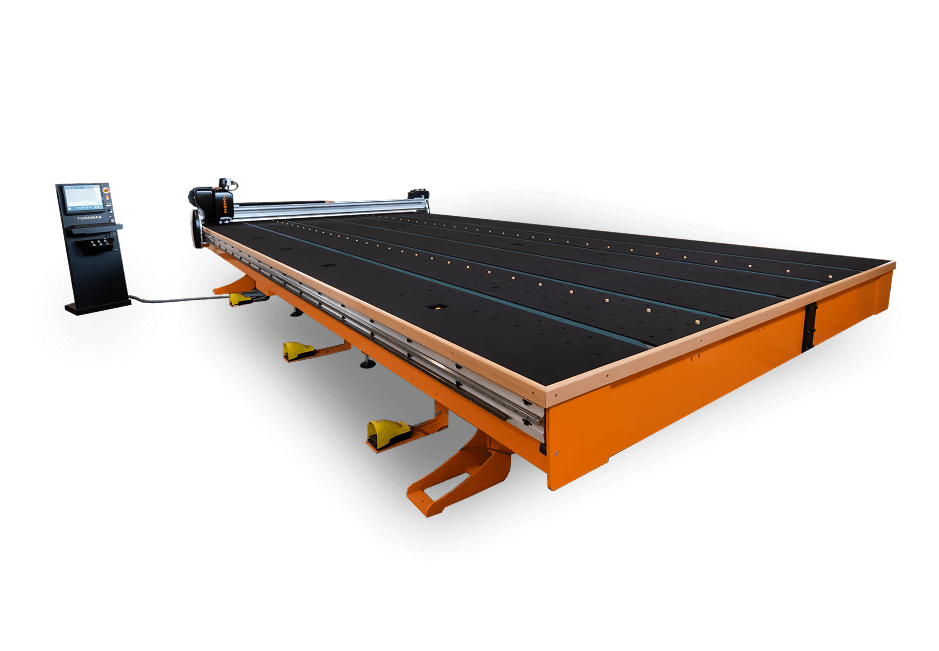
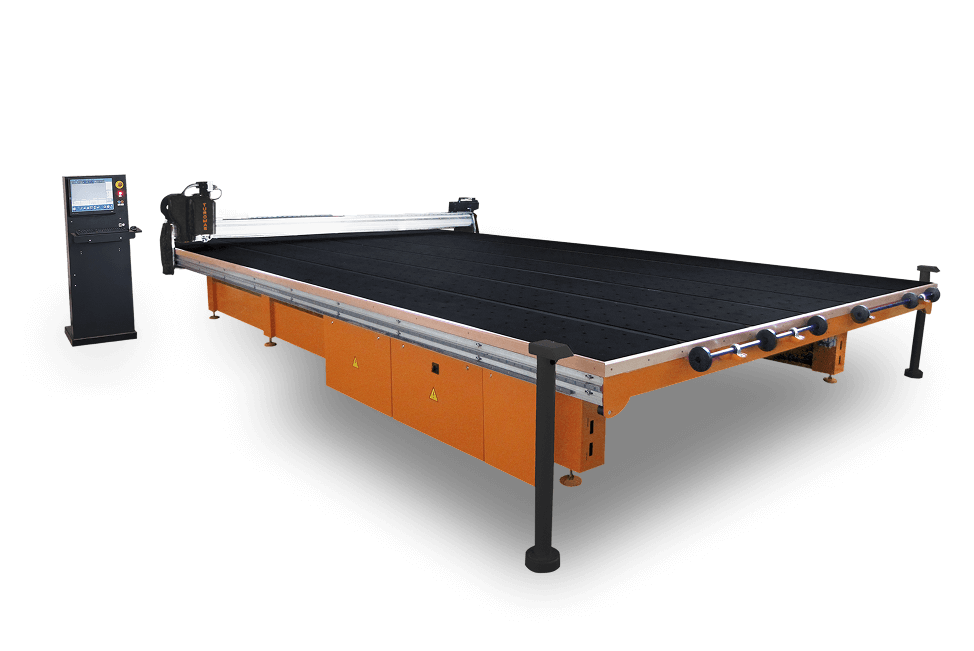
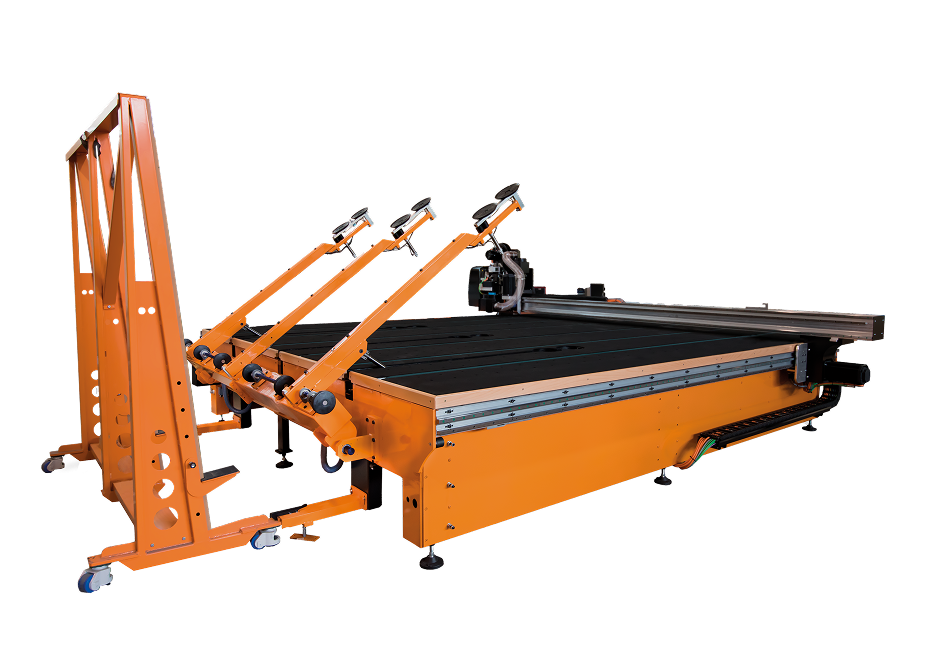
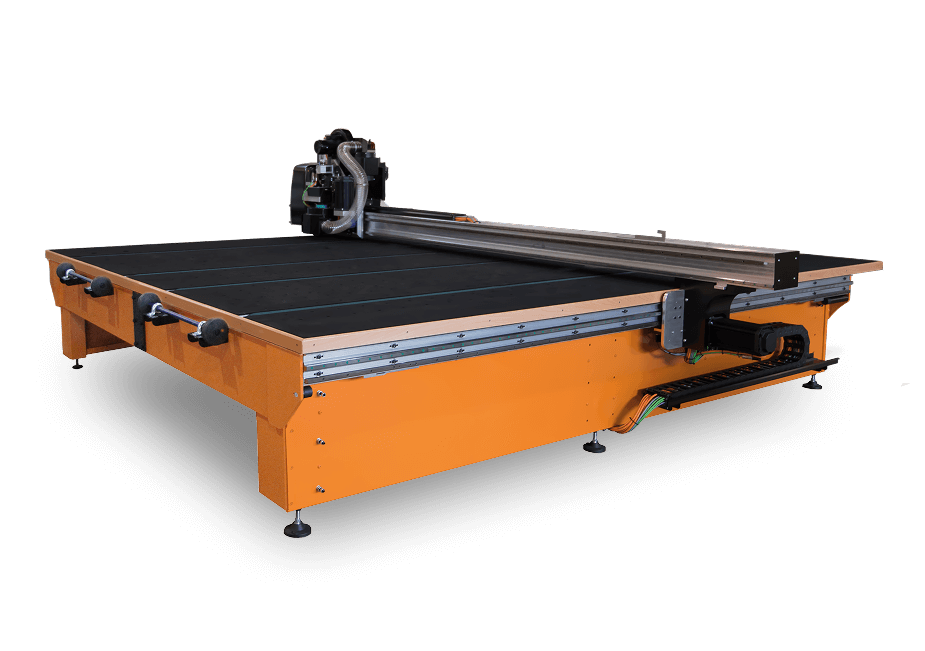
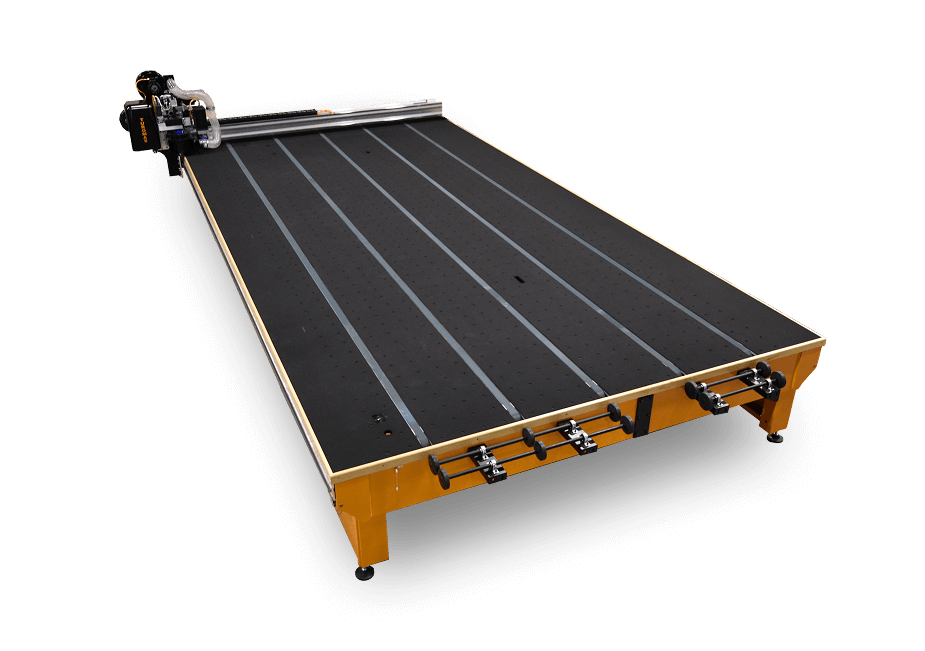
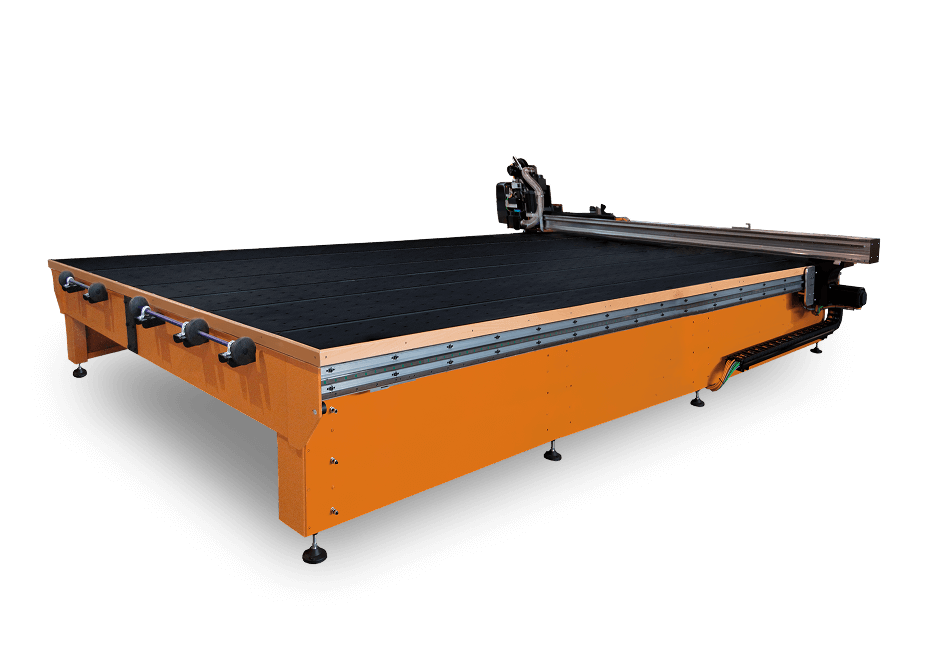
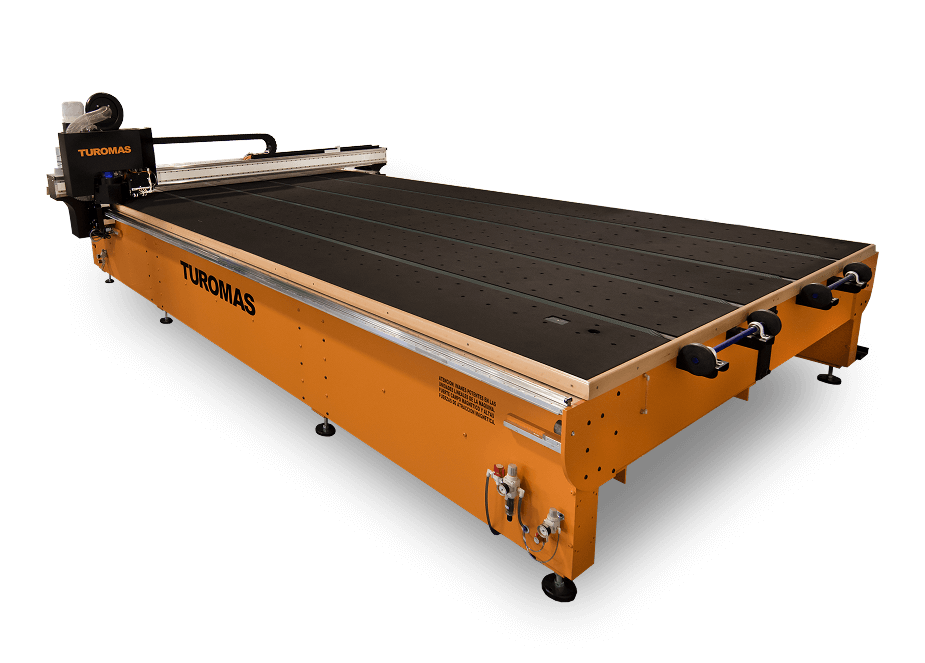
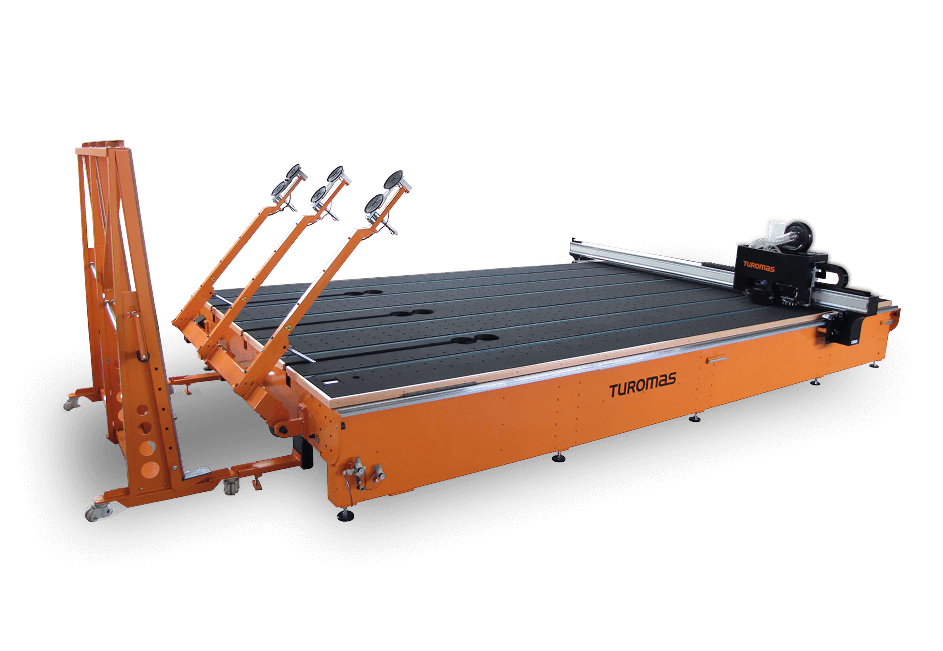
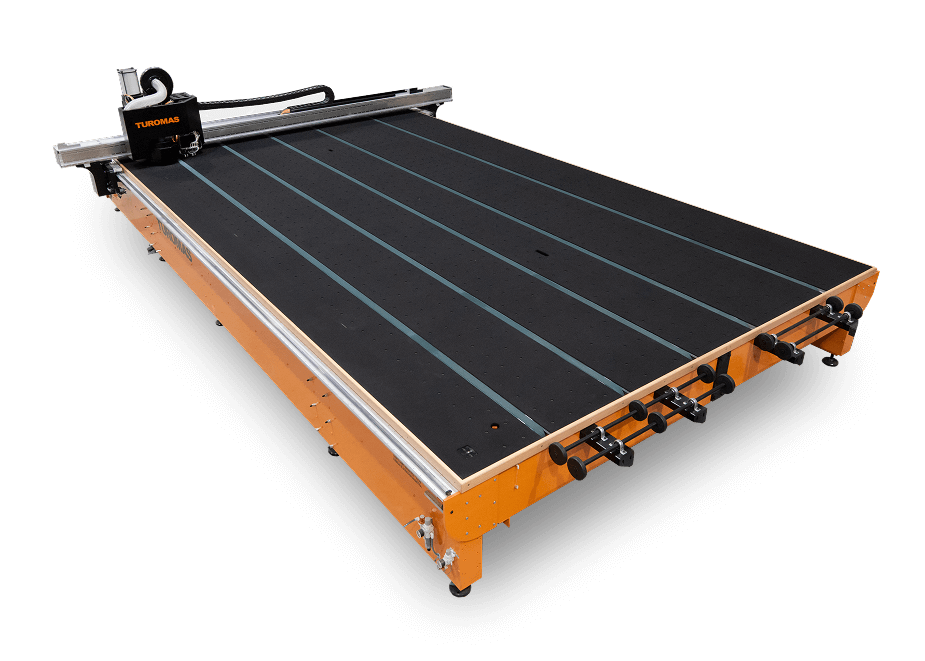
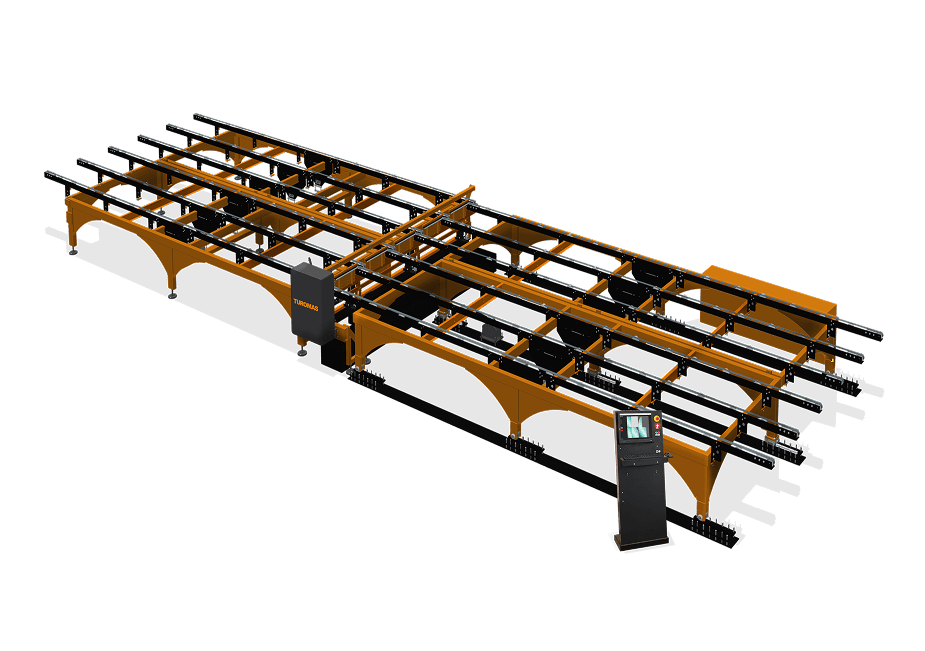
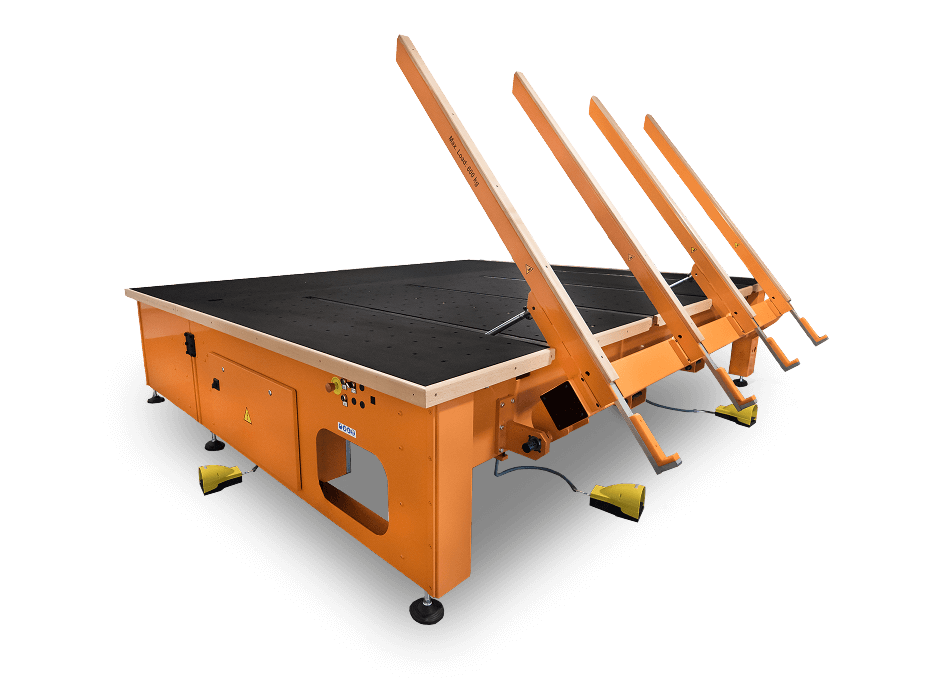
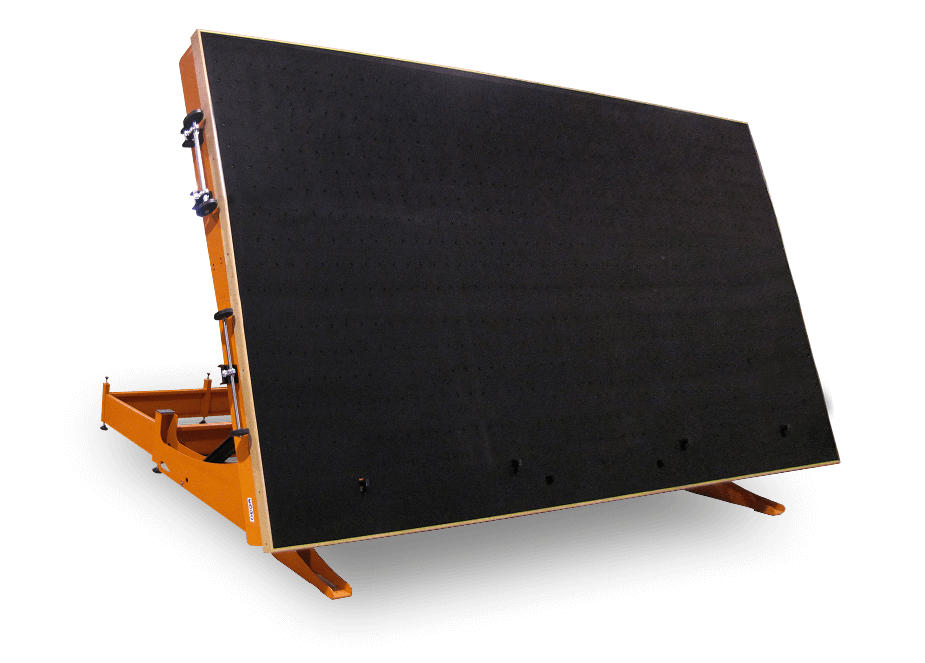
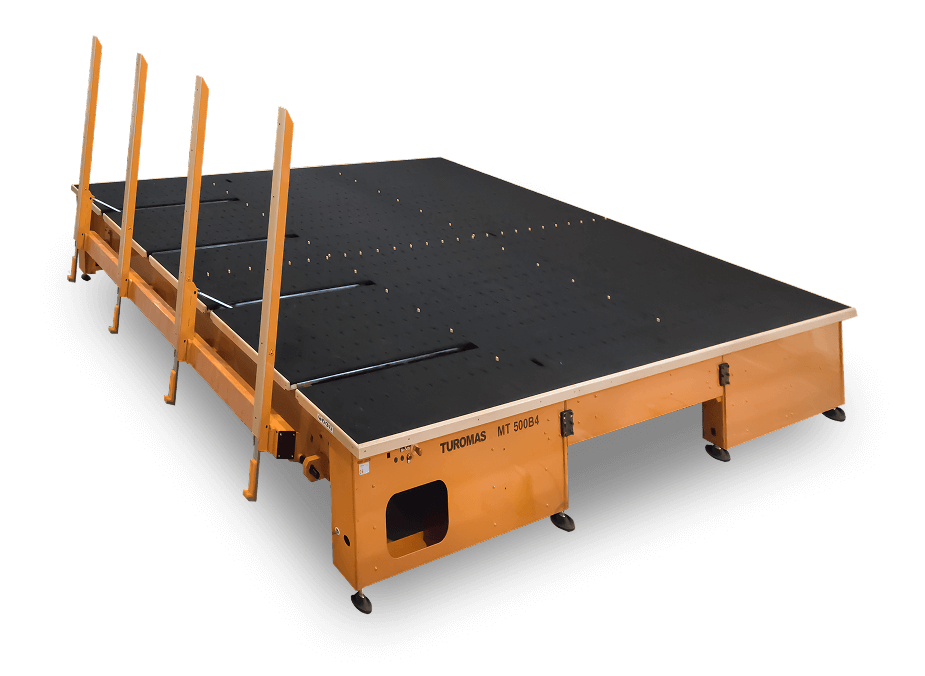
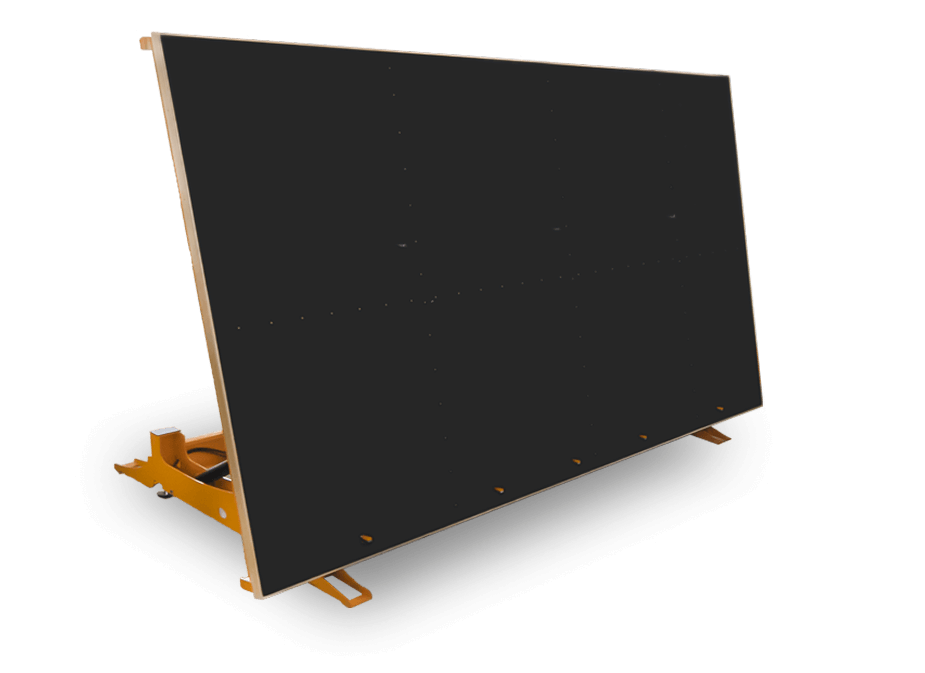
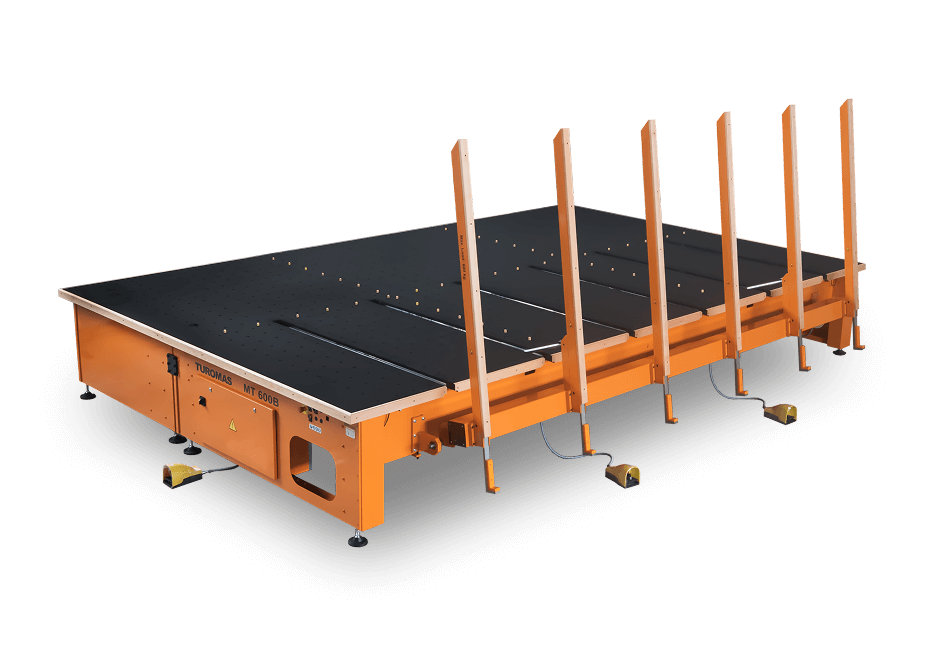
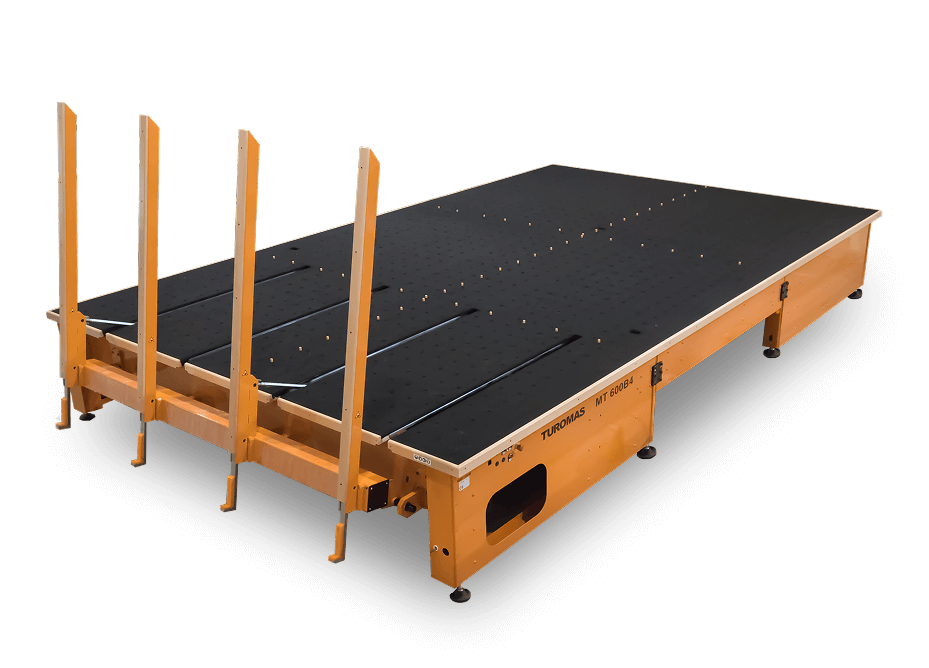
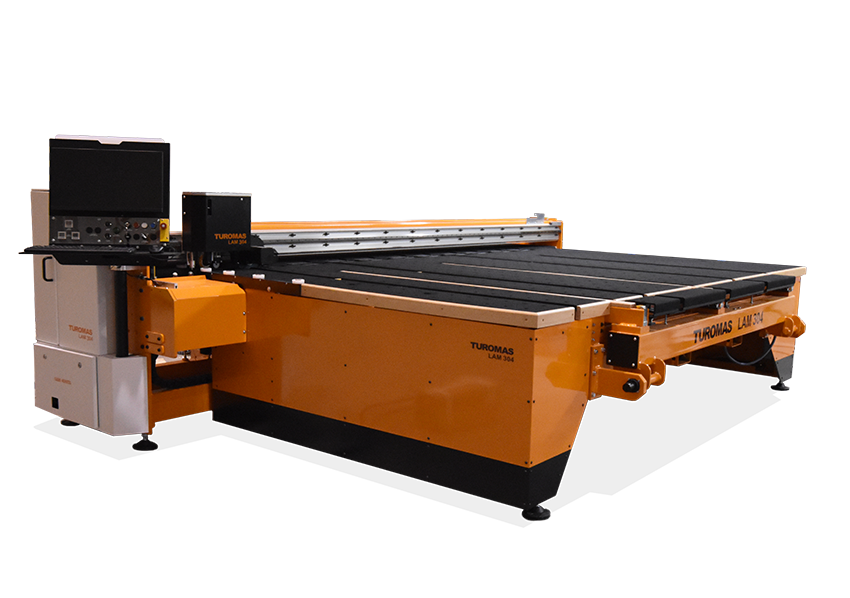
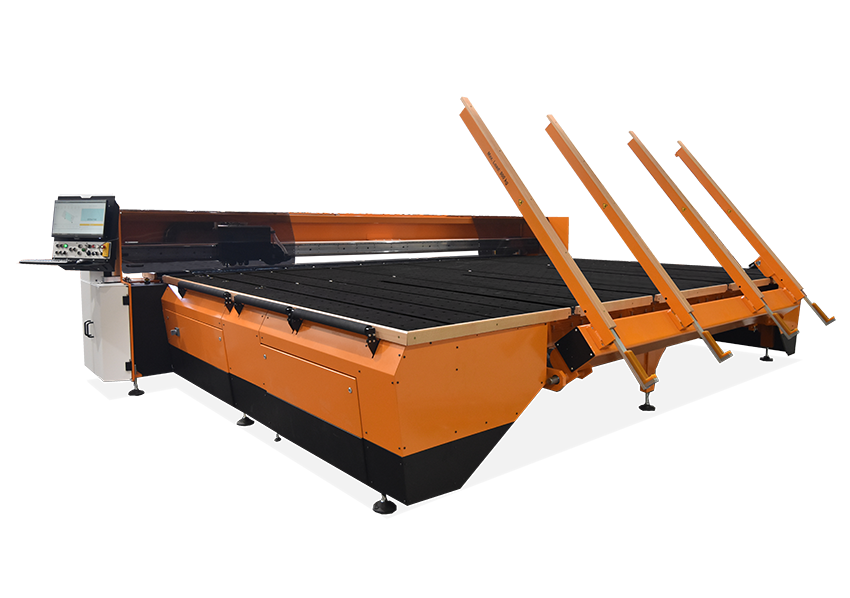
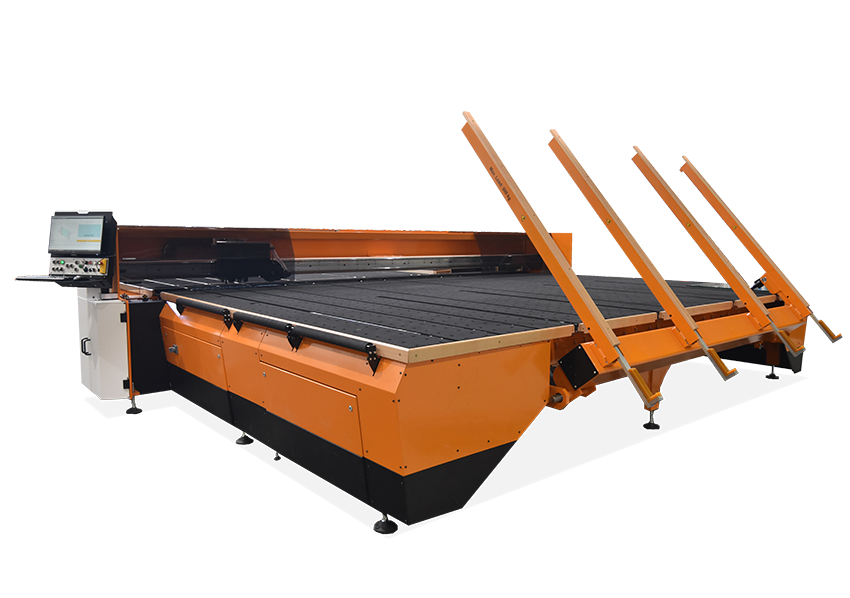
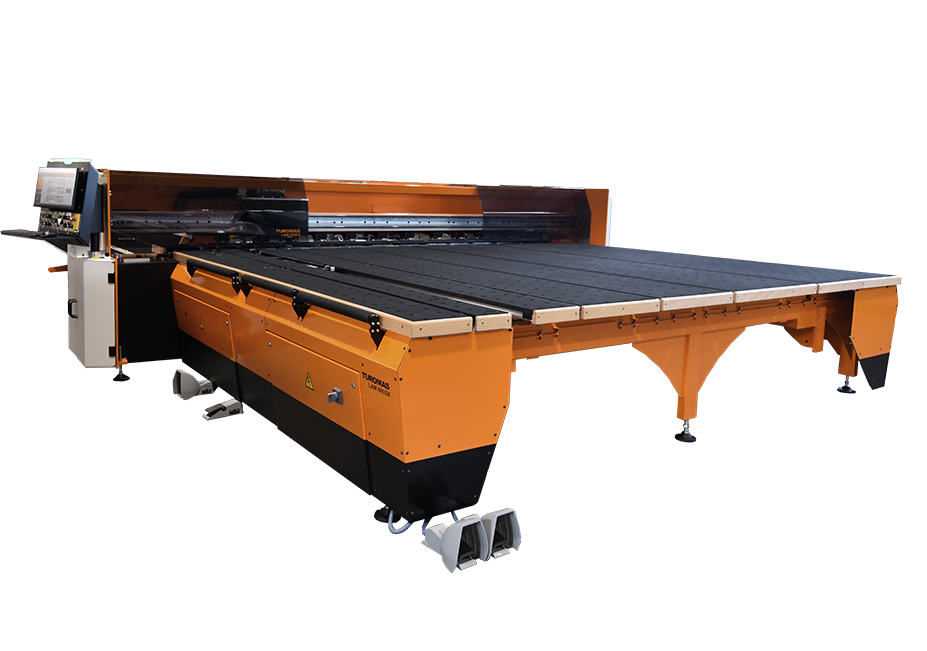
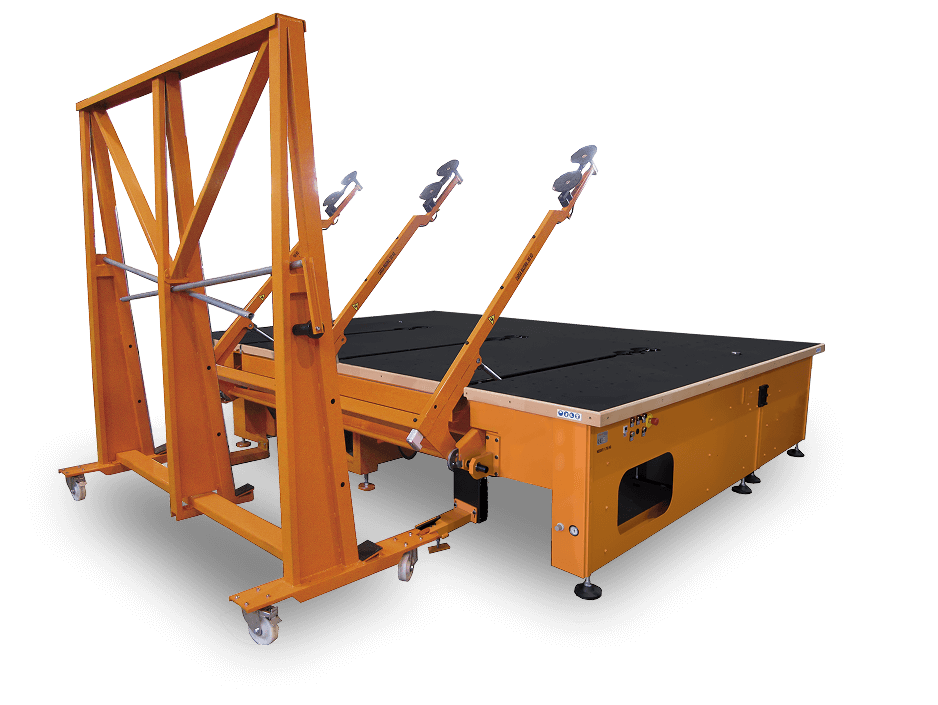
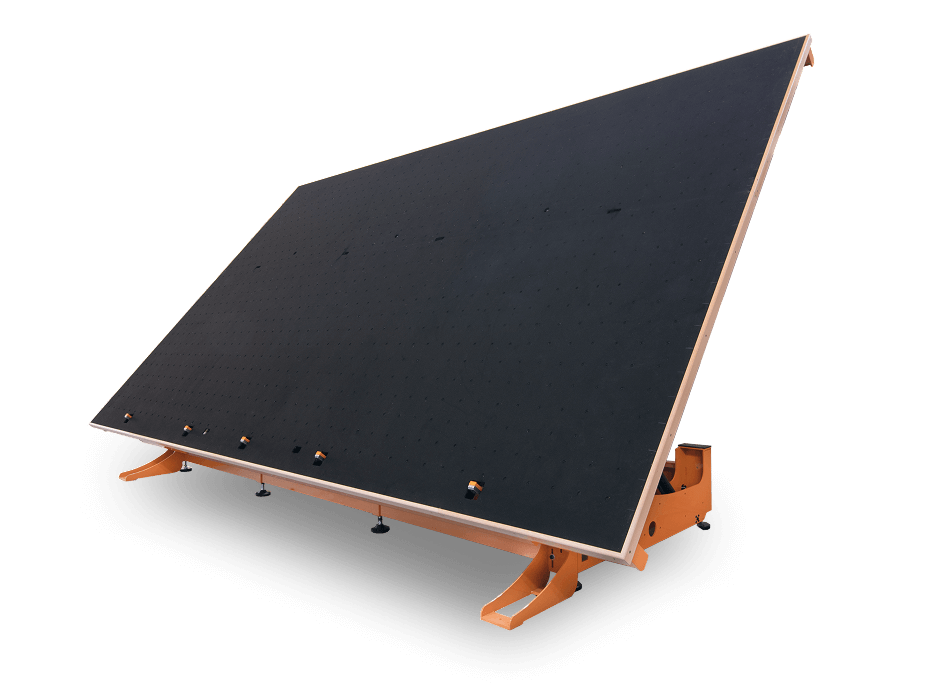
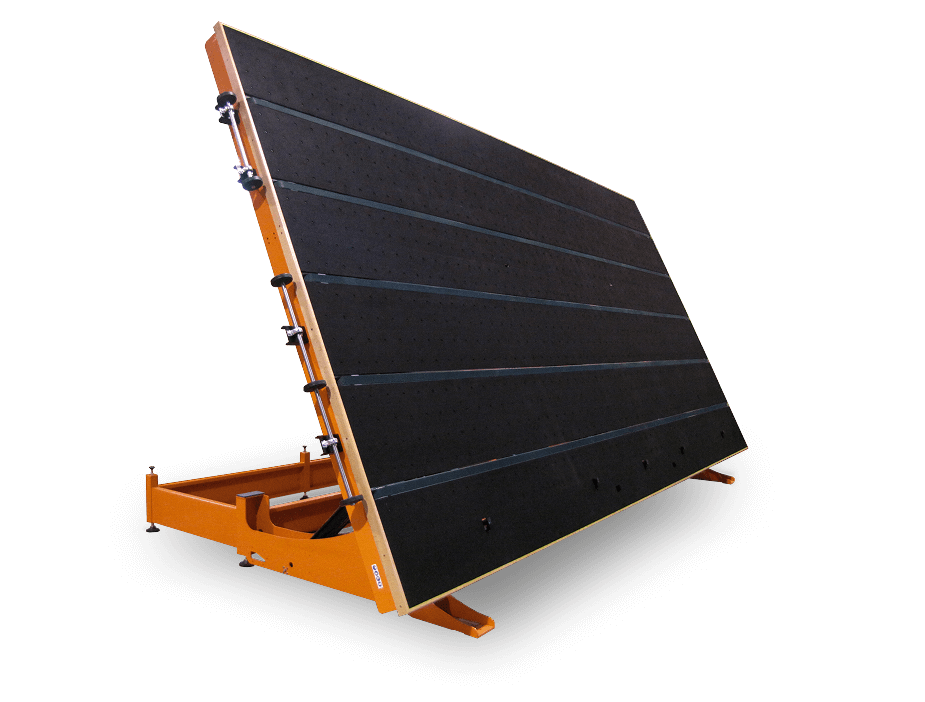
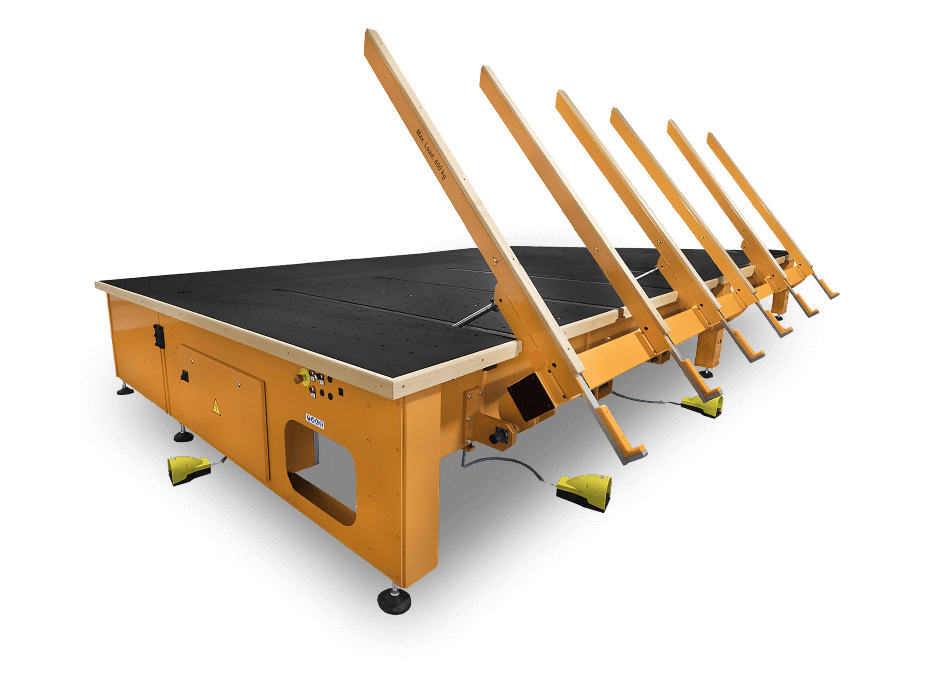
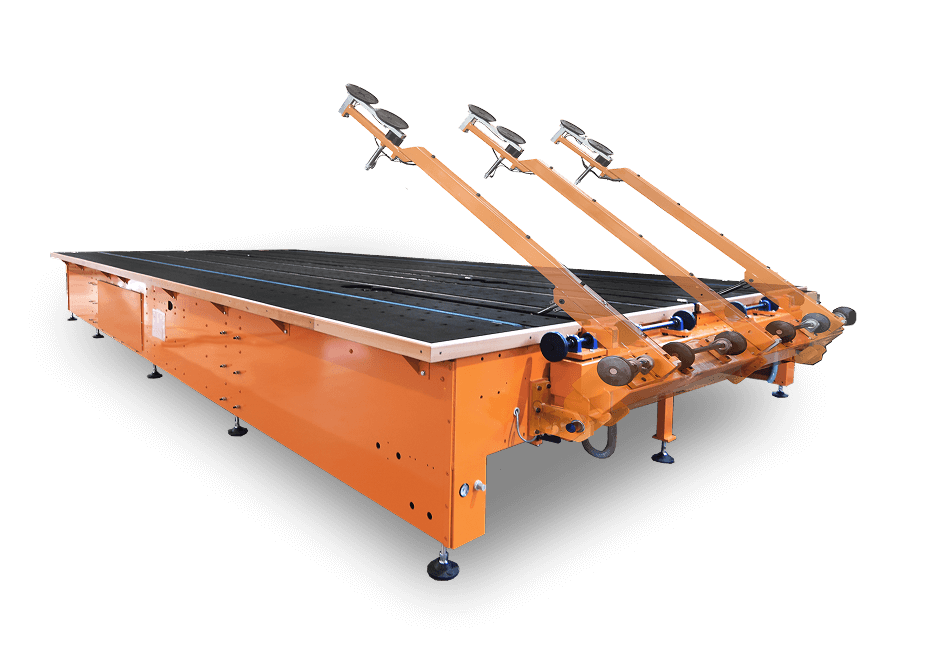
The concern and relentless search for exceptional excellence in glass cutting motivated the redesign of the tables: wood was completely removed from the glass support area and replaced with aluminum. This measure provided the structure with much greater stability.
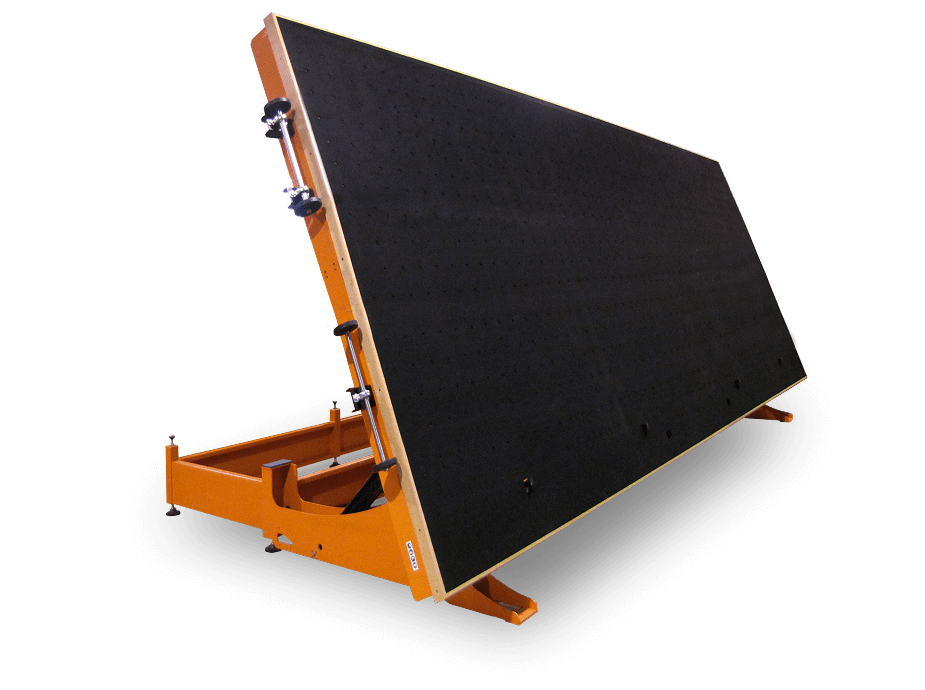
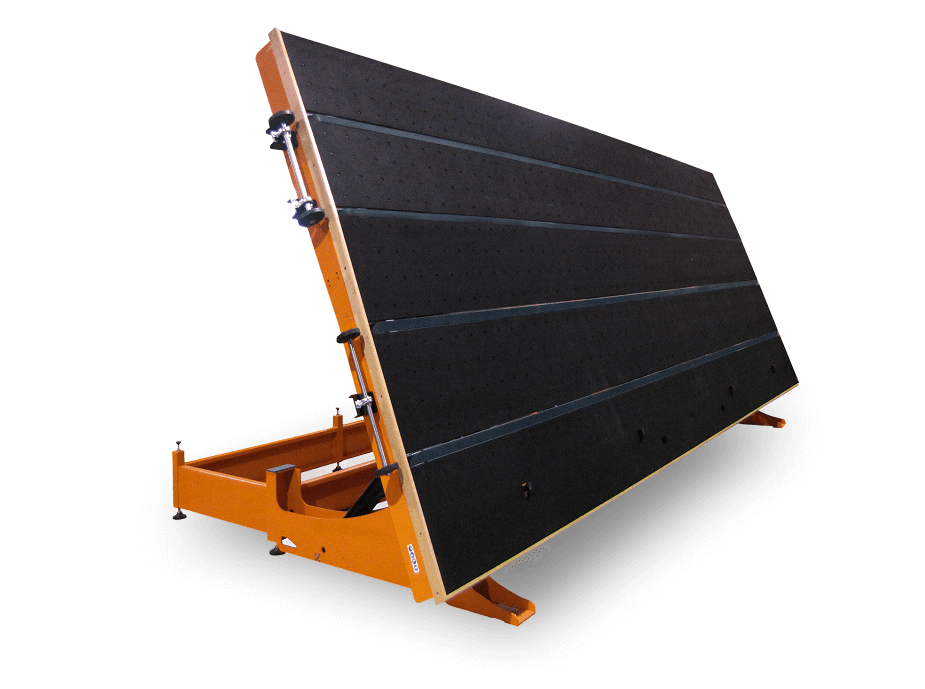
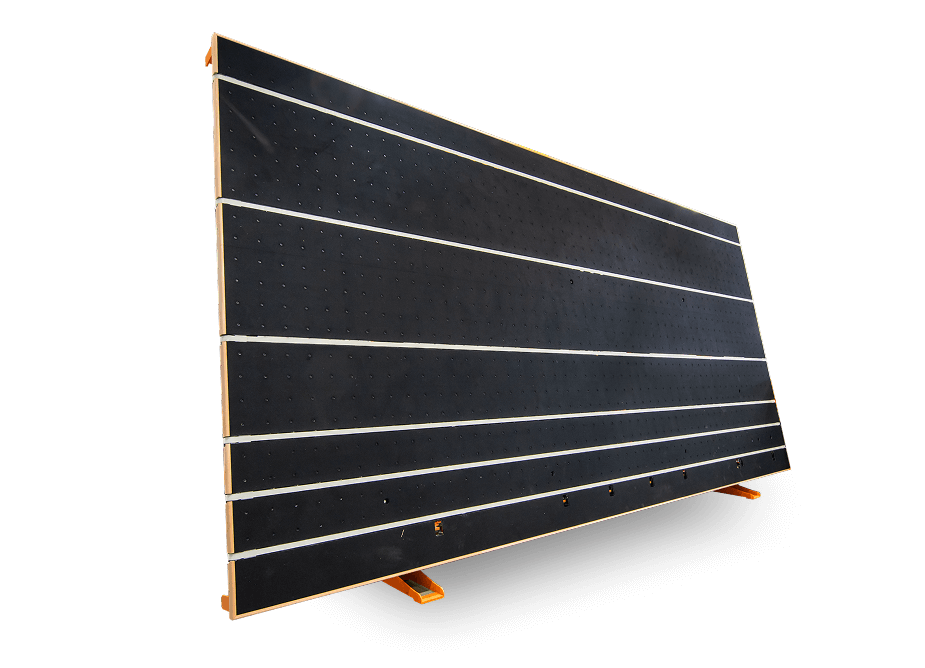
A phenolic coating is applied over the aluminum. The cutting bridge rectifies this coating as it passes to eliminate any undulations and achieve a planimetry tolerance with perfect parallelism between the table and the cutting tool. In this way, stability and precision in both scoring and breaking are guaranteed, which is essential for thin glass.
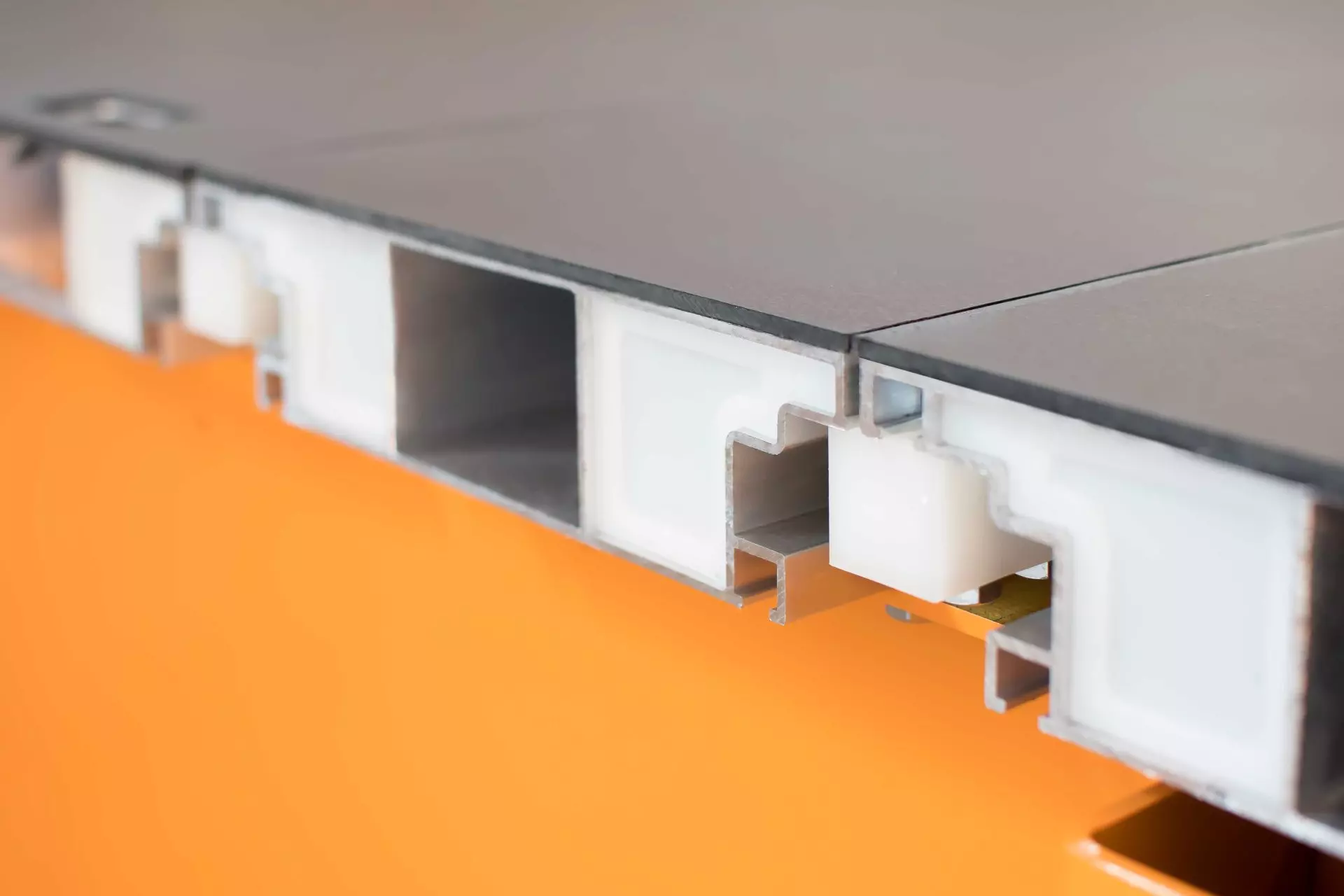
The phenolic component is also highly resistant to water, humidity, high levels of steam, and many chemicals, and it is less vulnerable to damage caused by impacts and bending.
The combination of aluminum material and phenolic panel offers two additional advantages. On one hand, the simplicity of replacing one carpet with another. On the other hand, the immediacy of air discharge to the table surface, as the porosity of wood previously caused loss of air flow.
The TFS advanced planimetry system, together with the patented 4-Tool (In the [#TUROMASTECHNOLOGY] section) cutting tool, has led to a flawless cut from 2 to 25 millimeters, as well as machinery that is durable over time and resistant to external conditions. No other producer on the market has implemented an identical procedure.