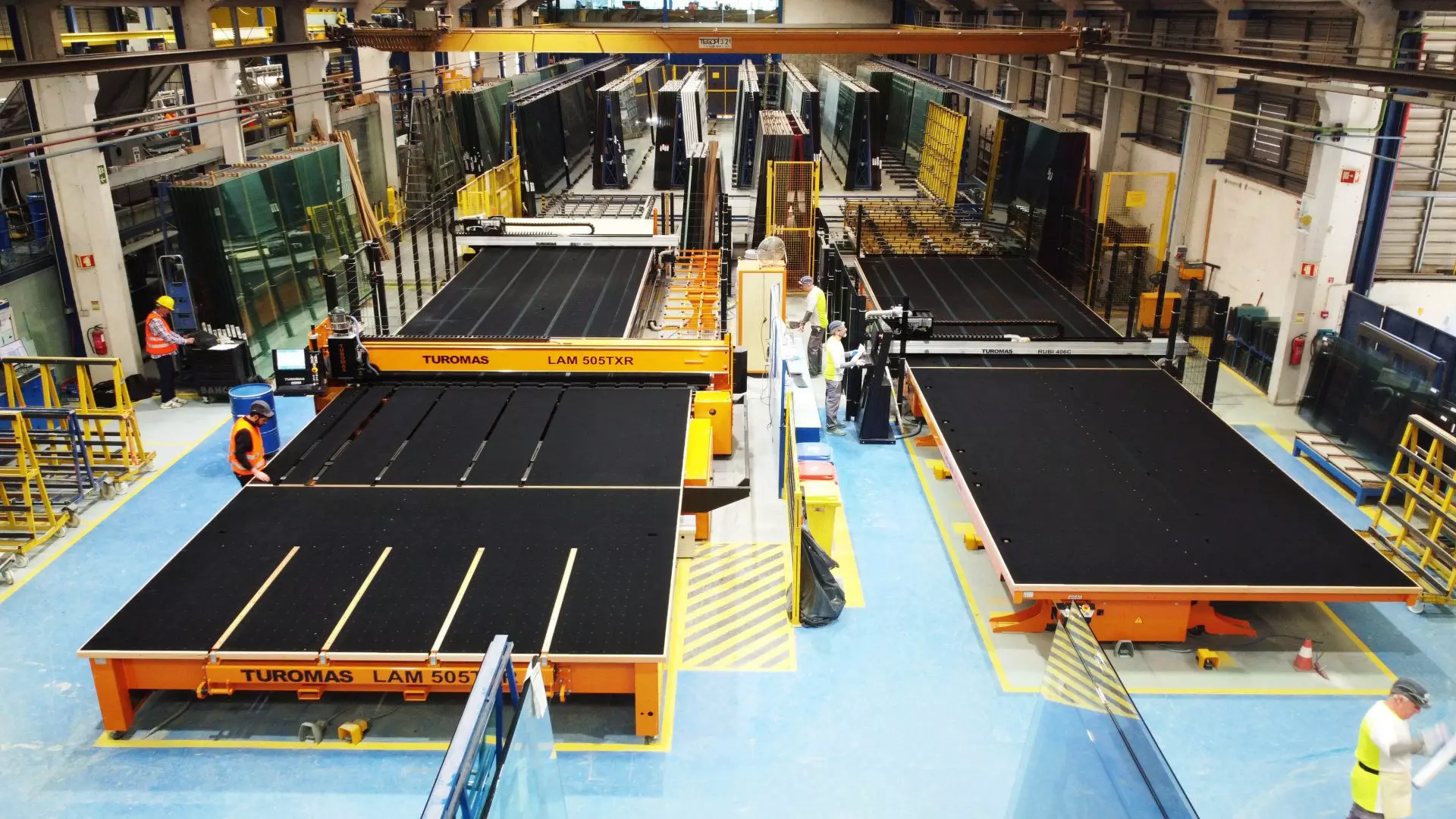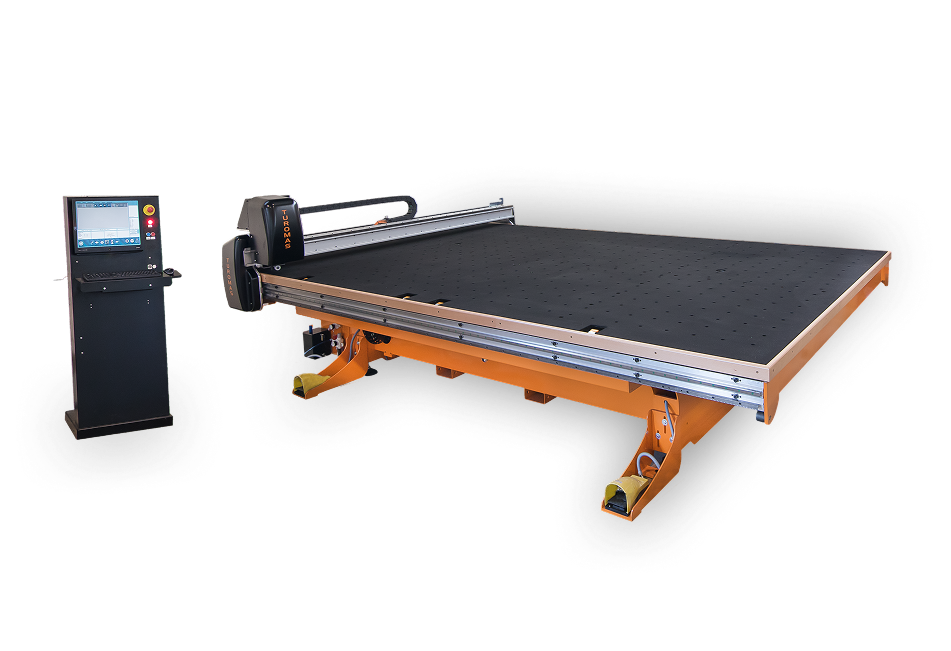
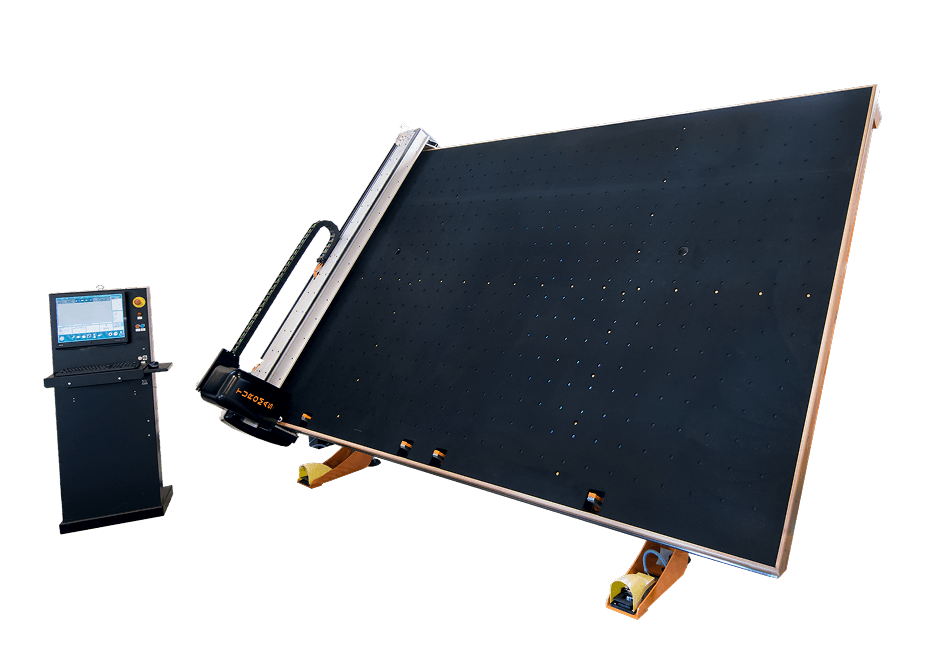
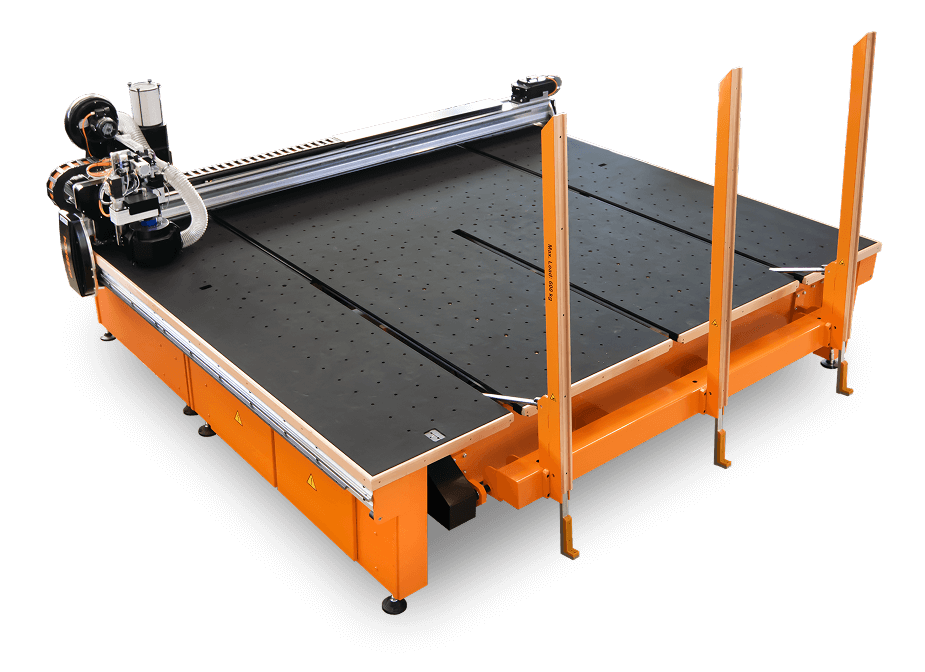
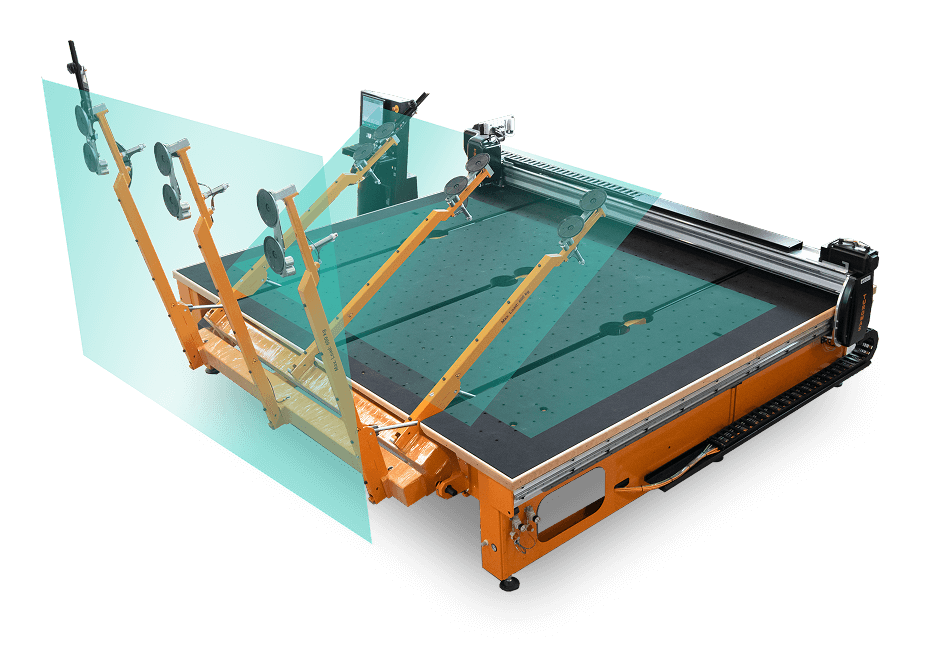
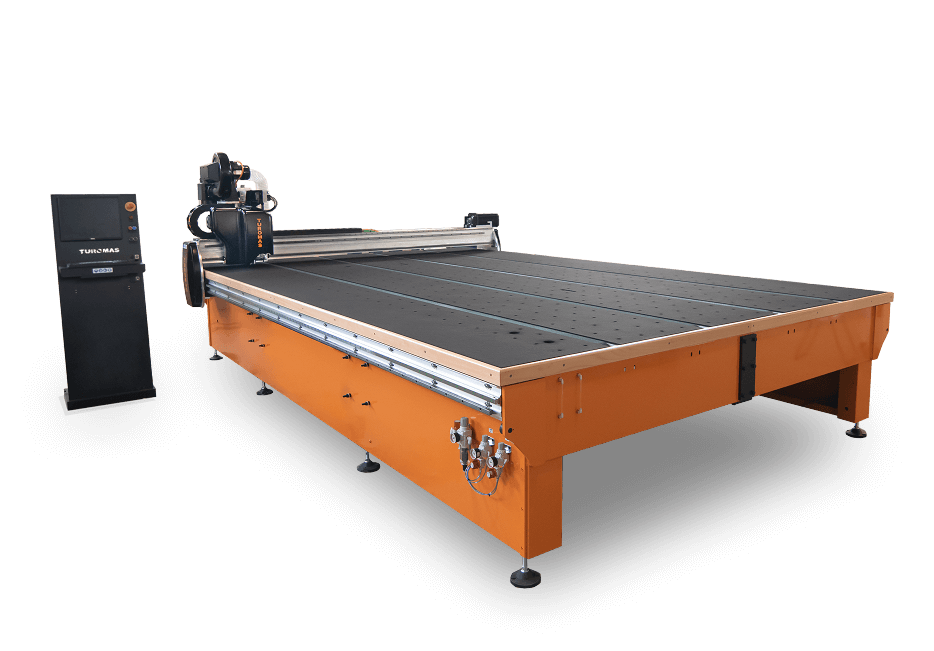
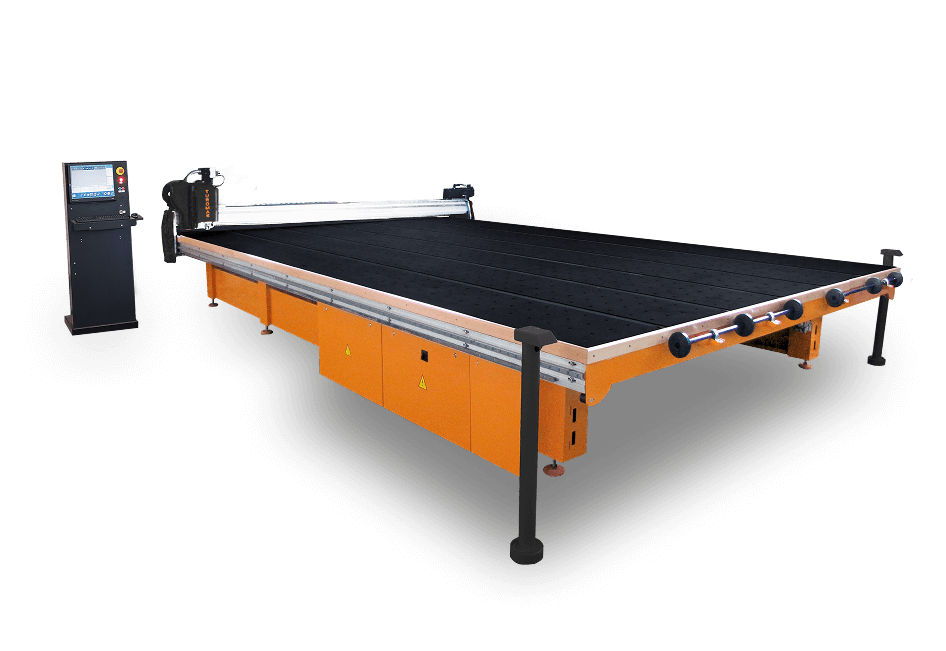
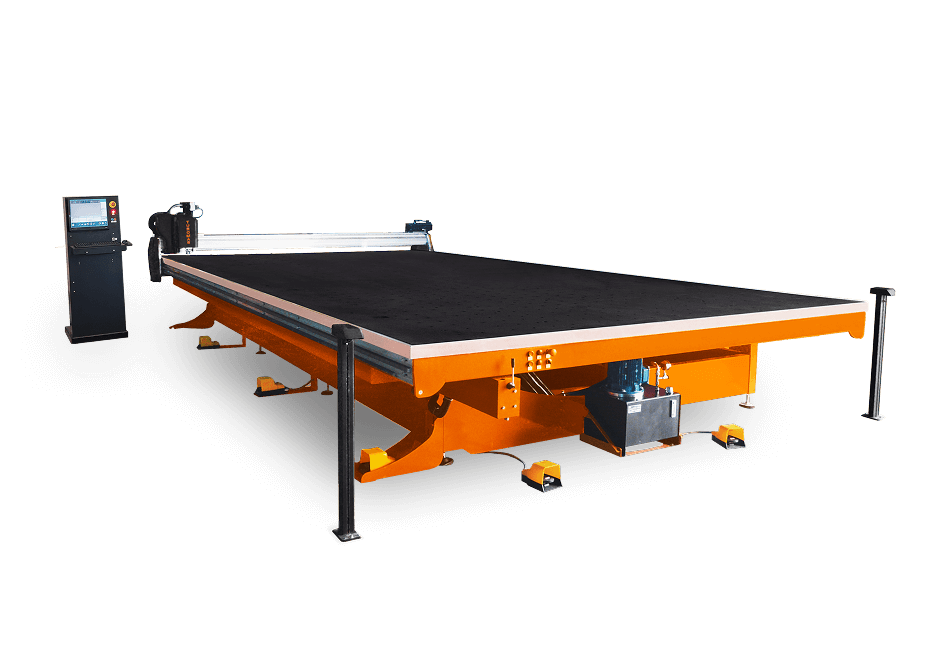
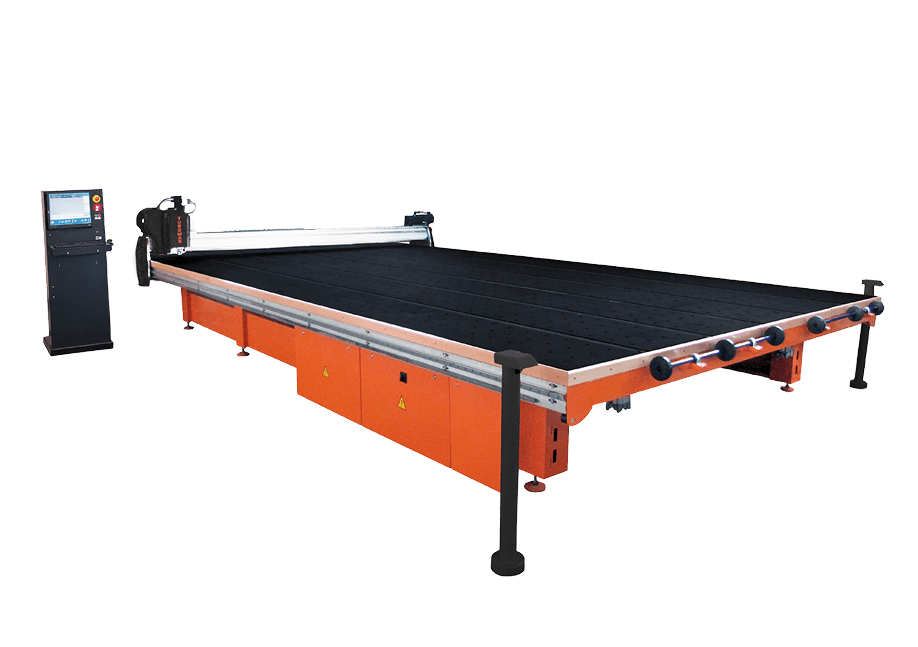
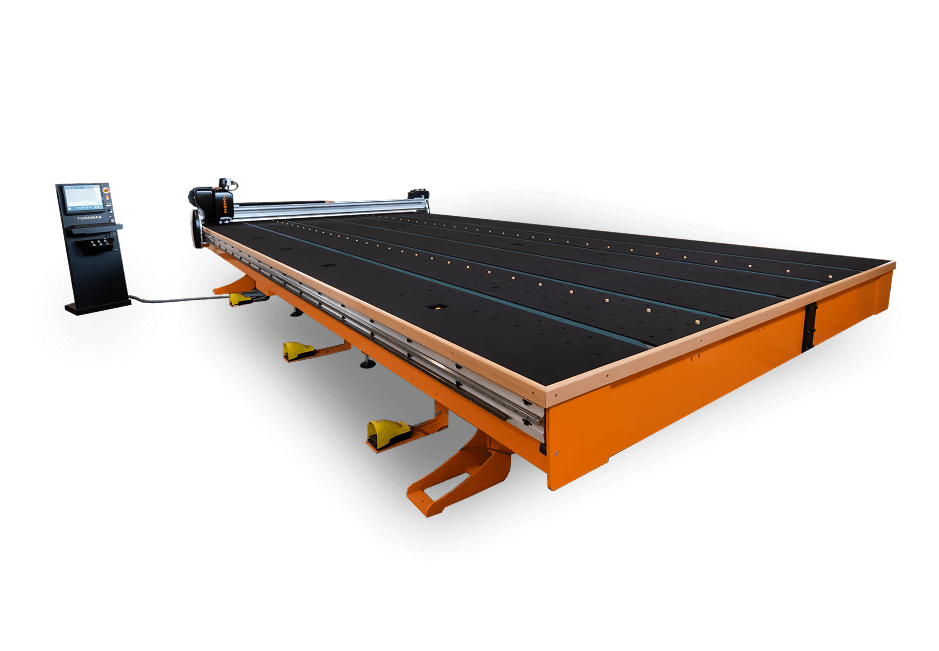
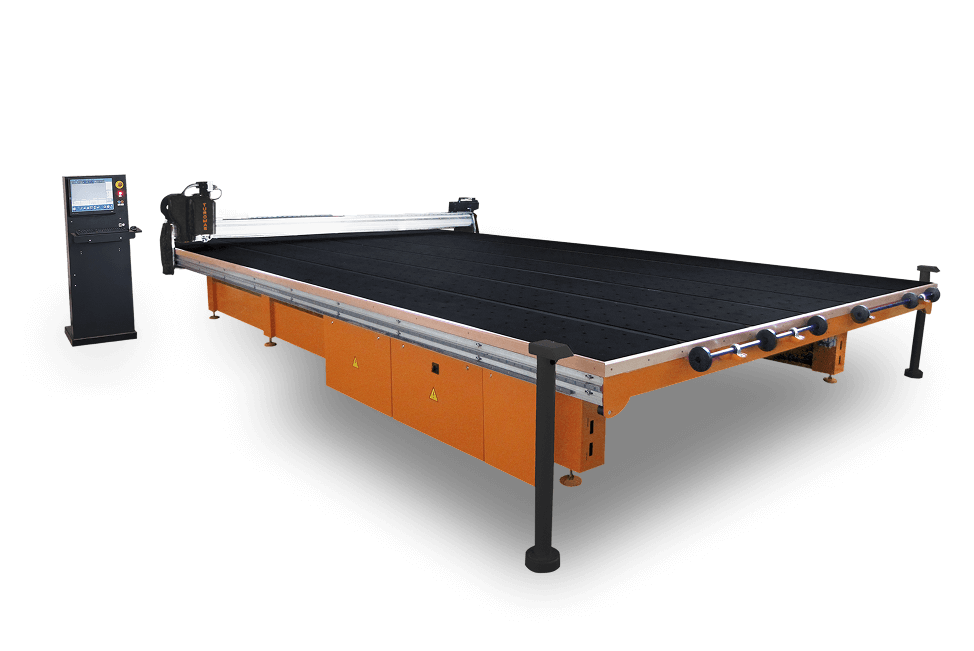
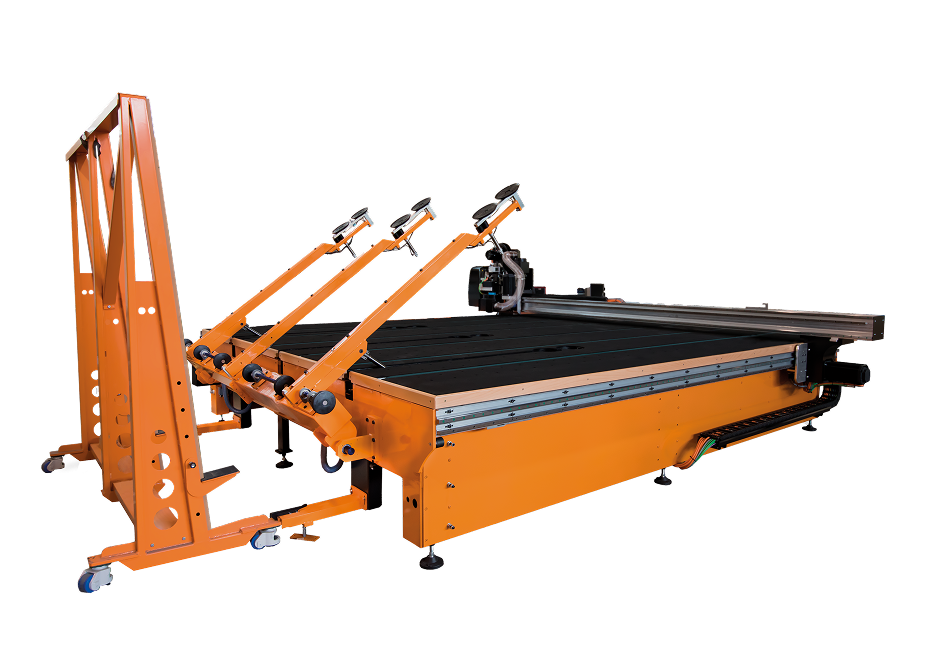
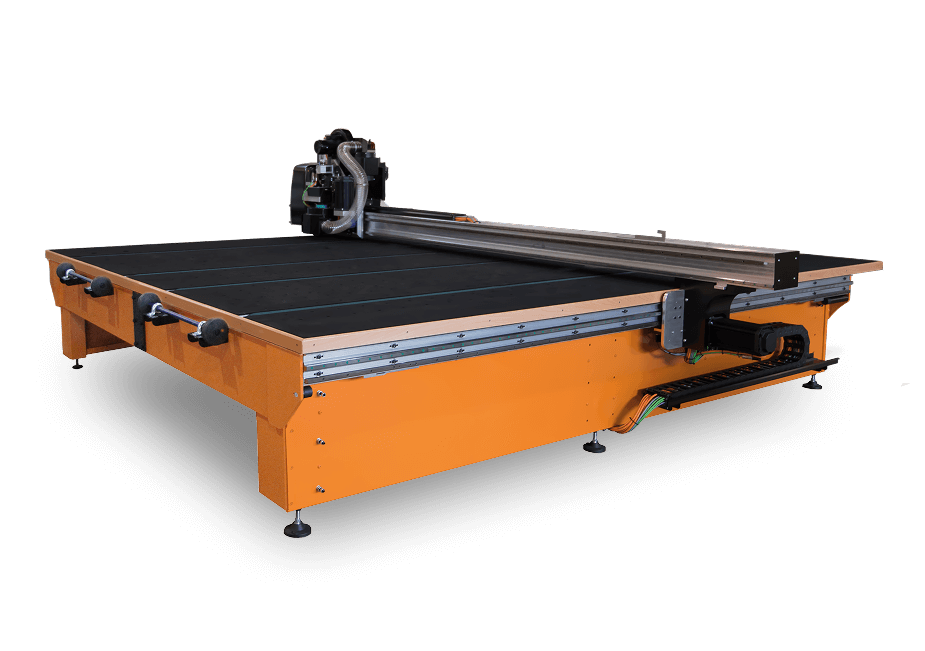
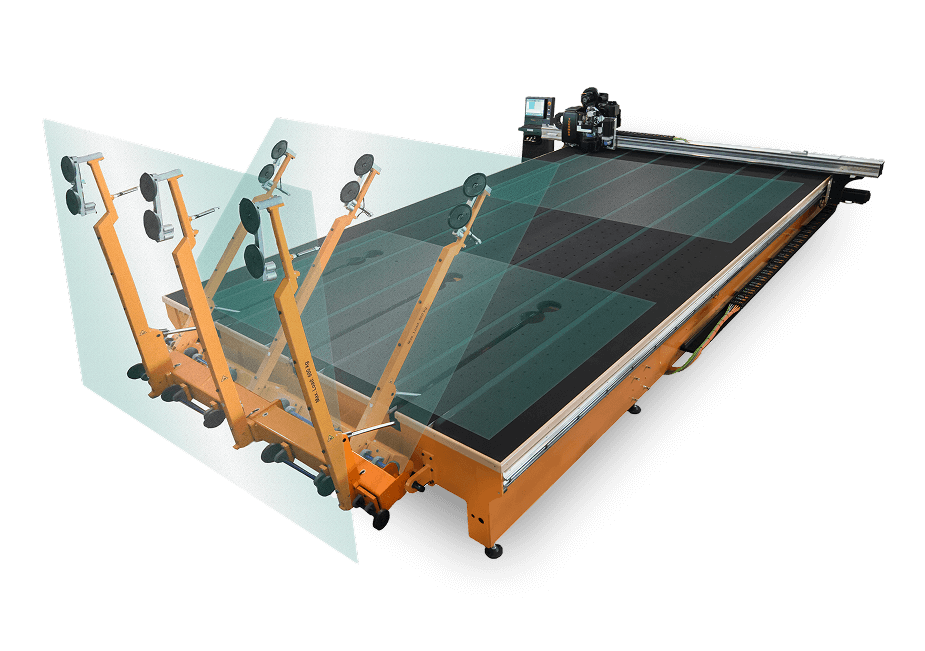
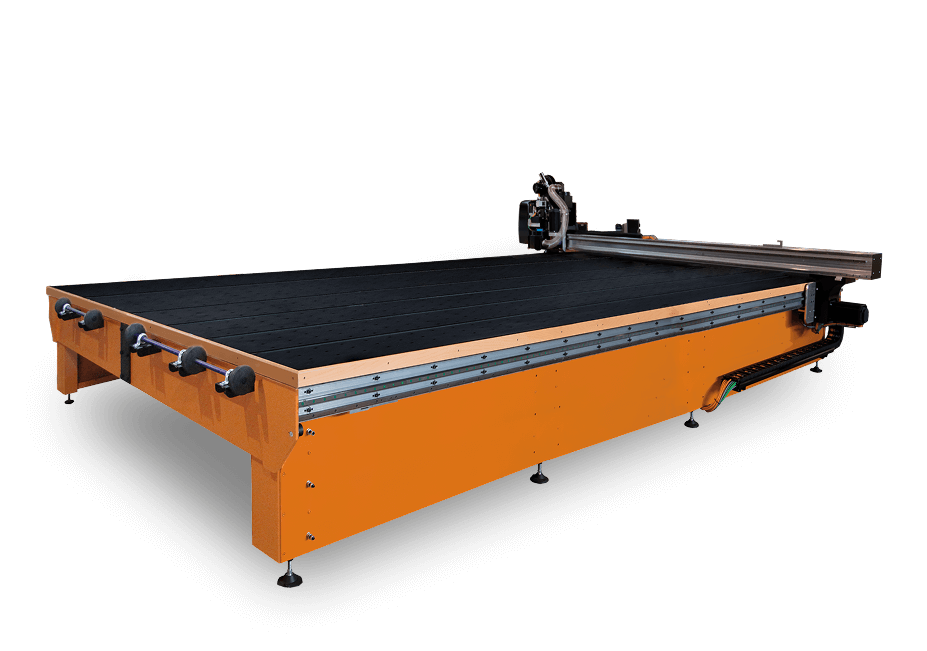
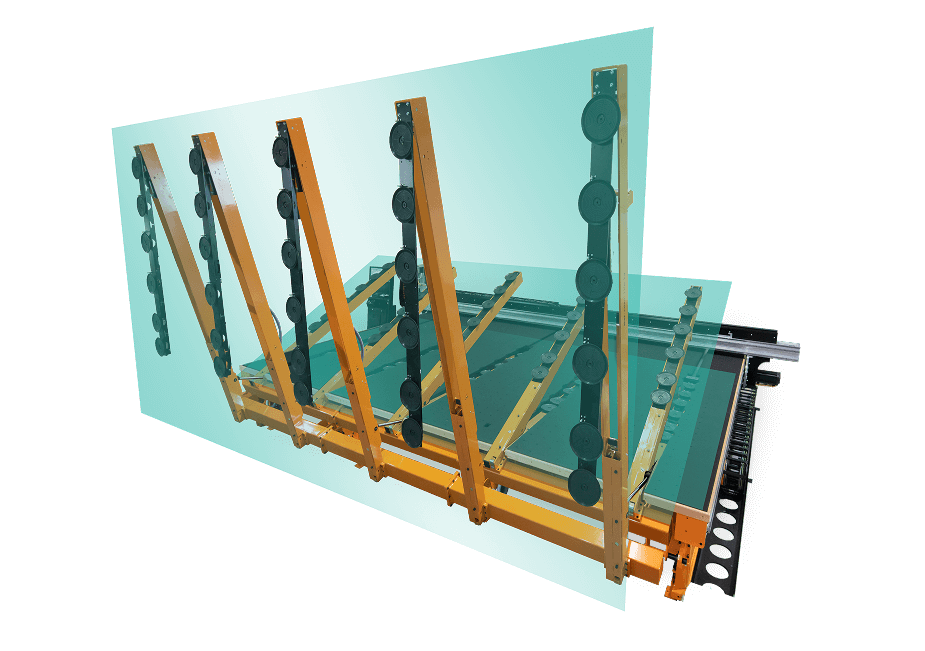
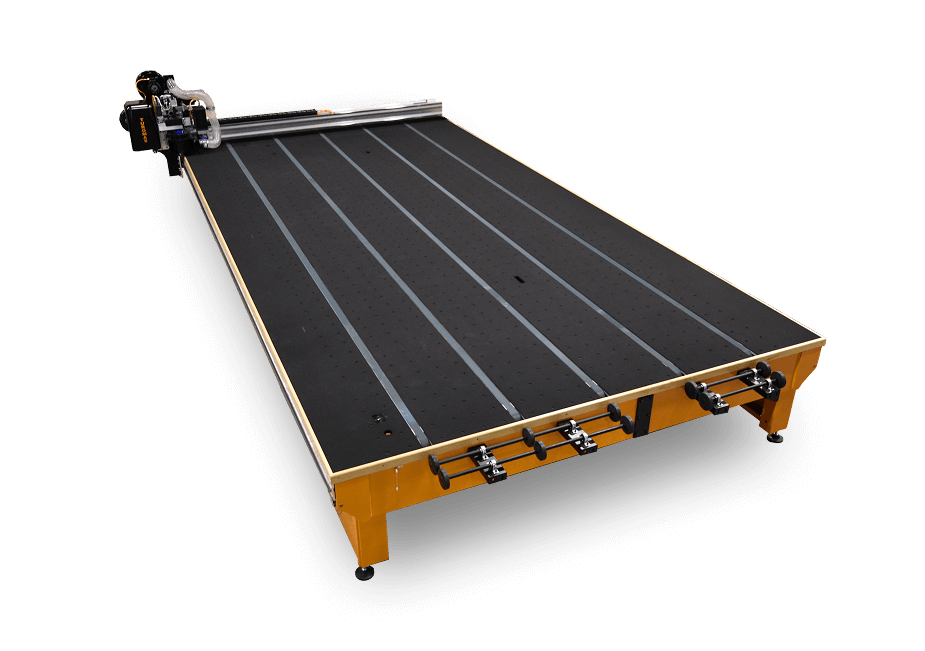
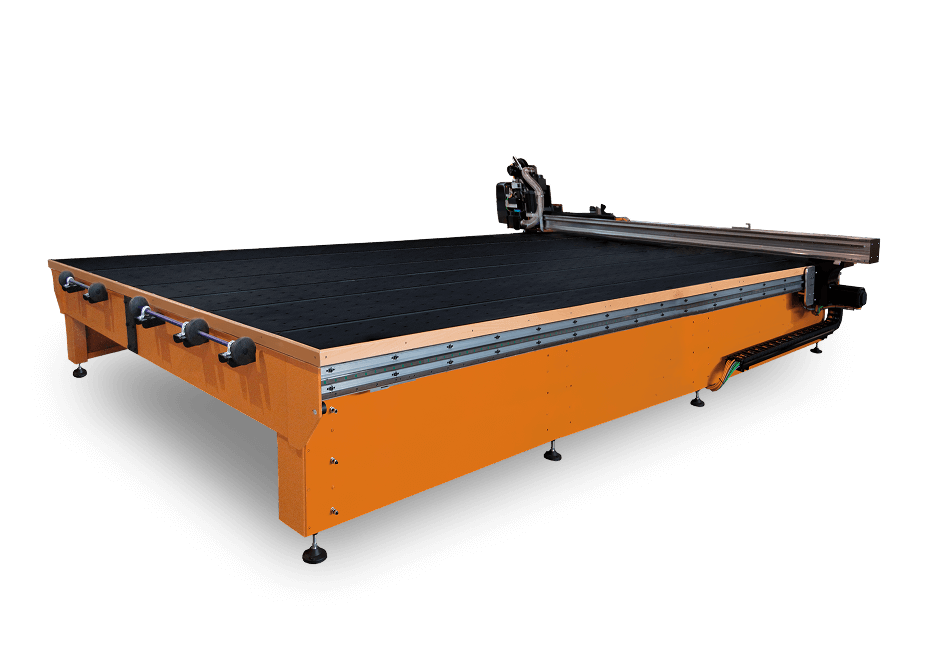
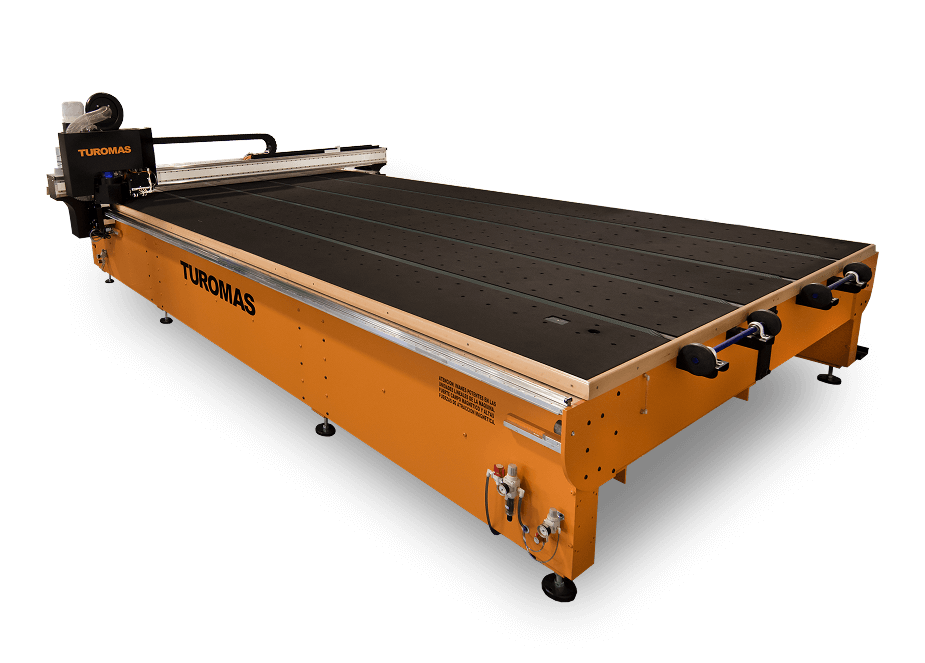
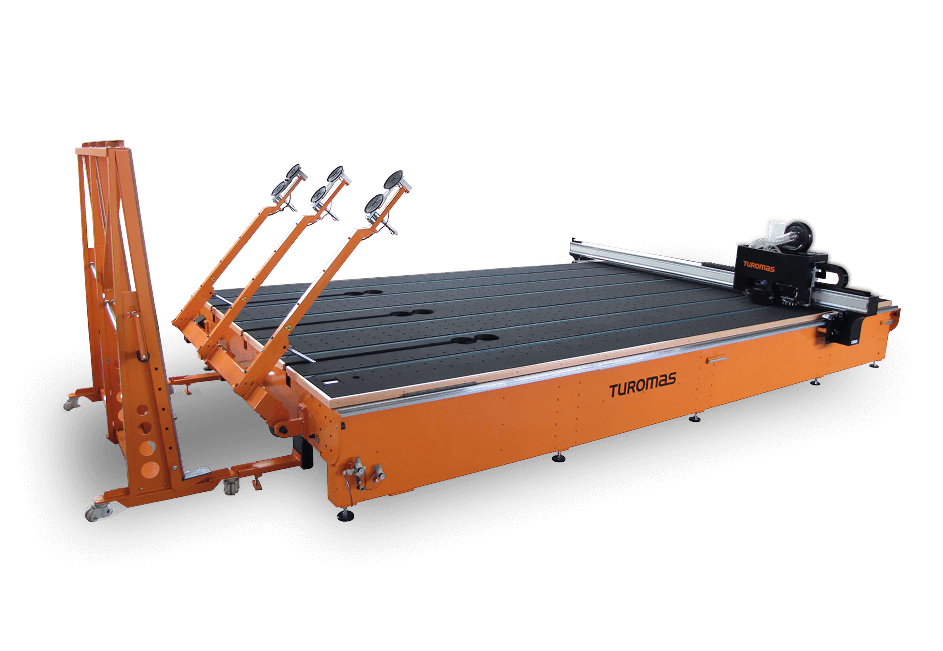
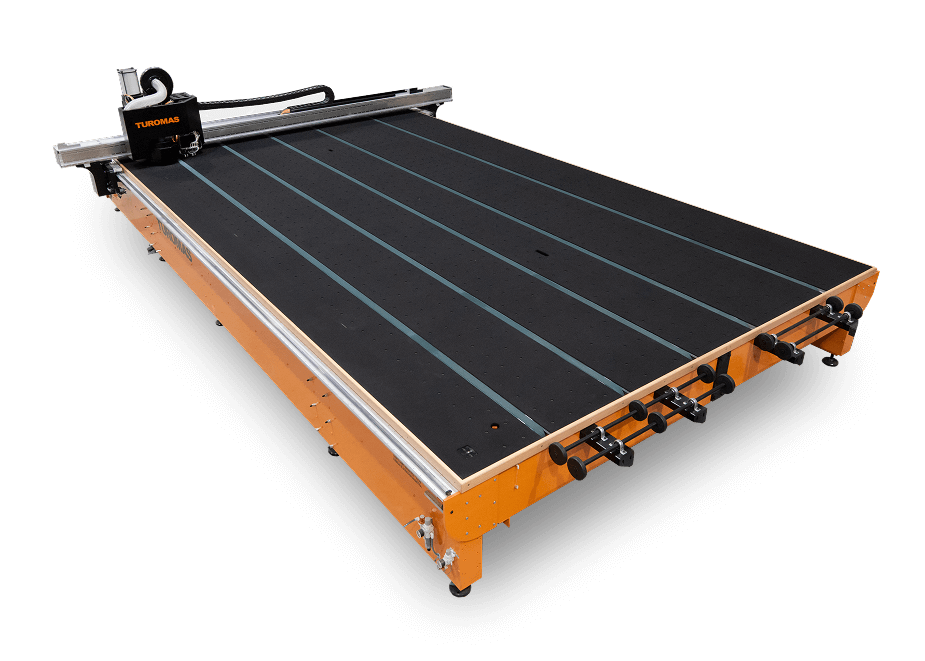
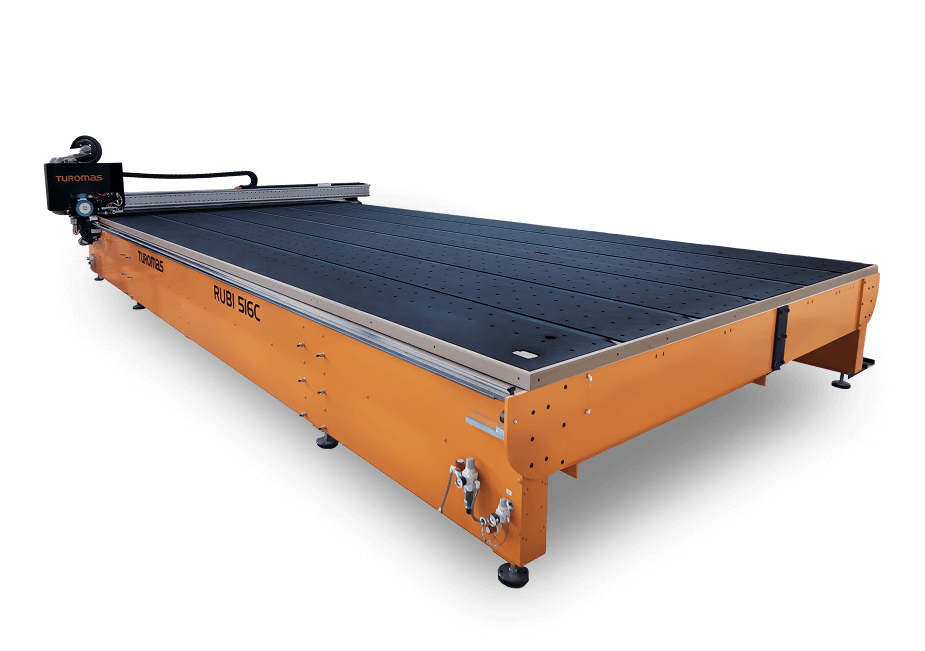
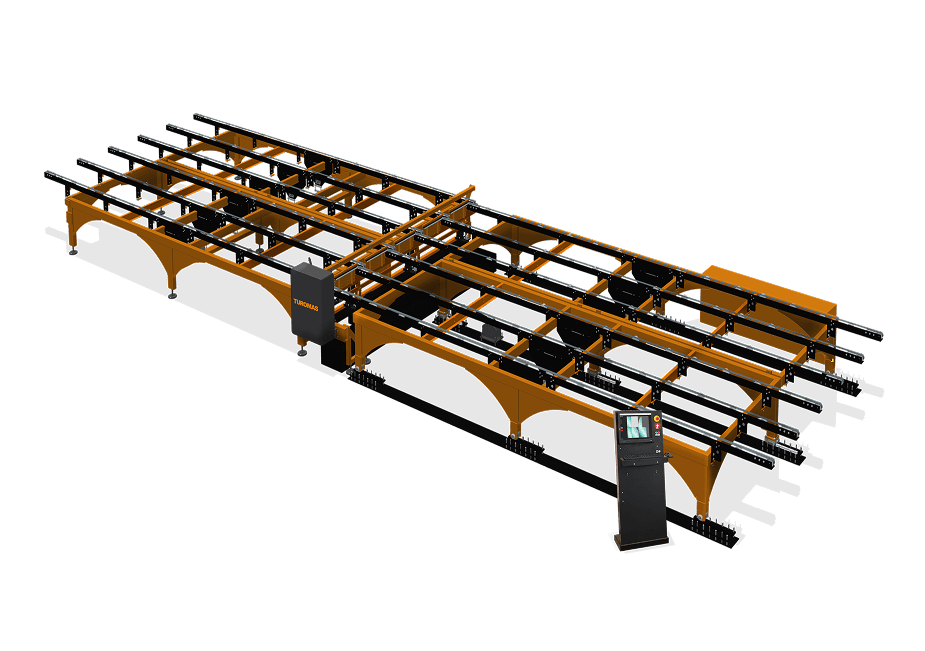
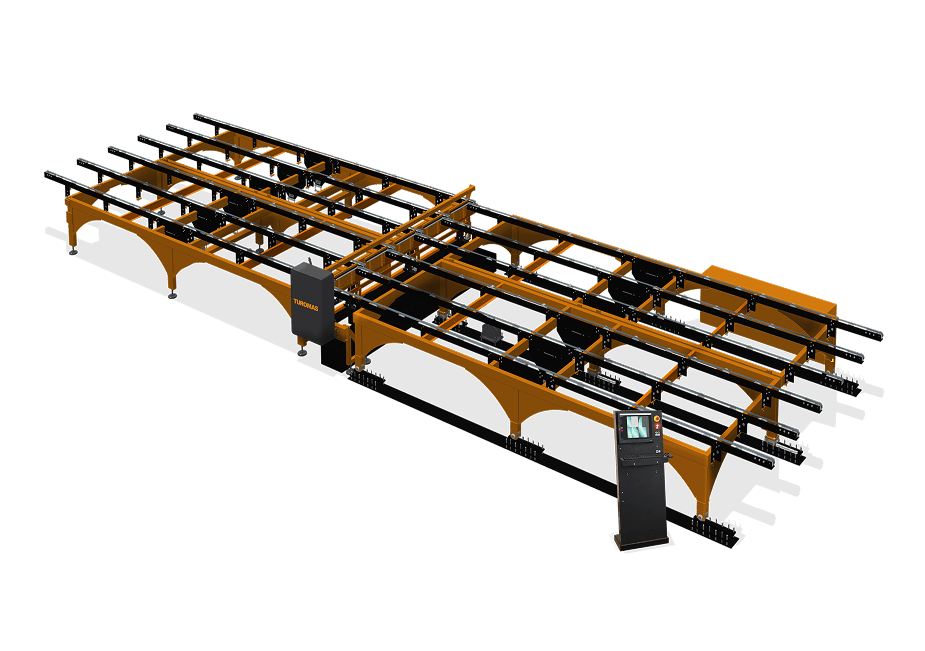
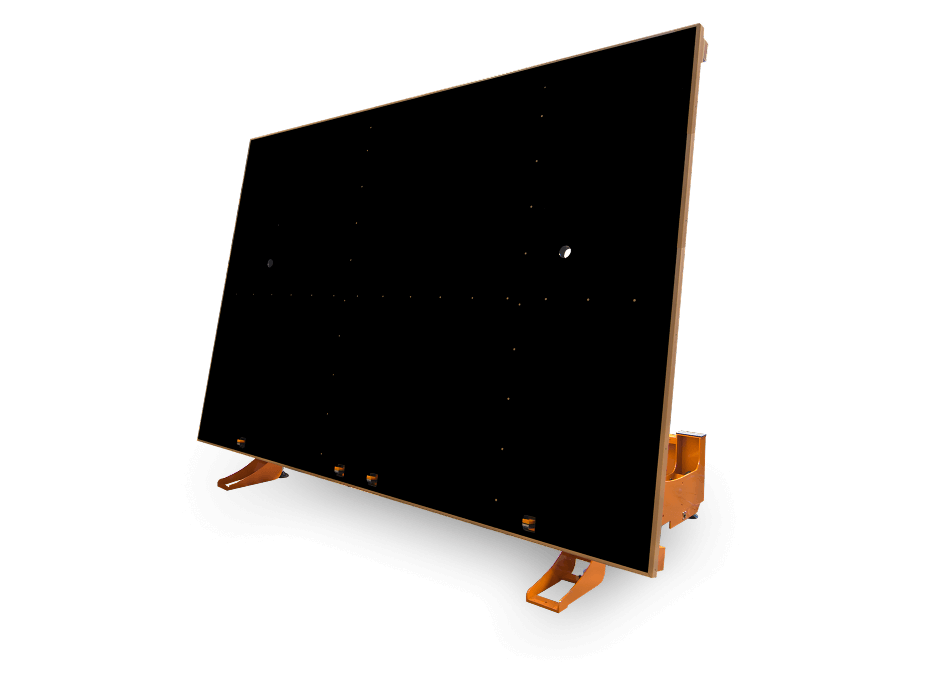
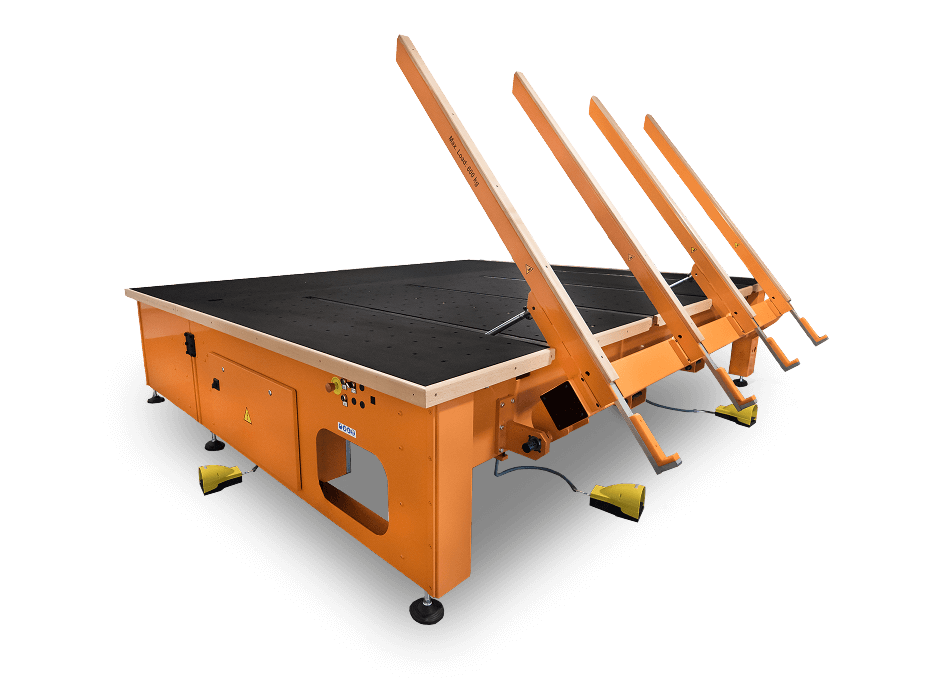
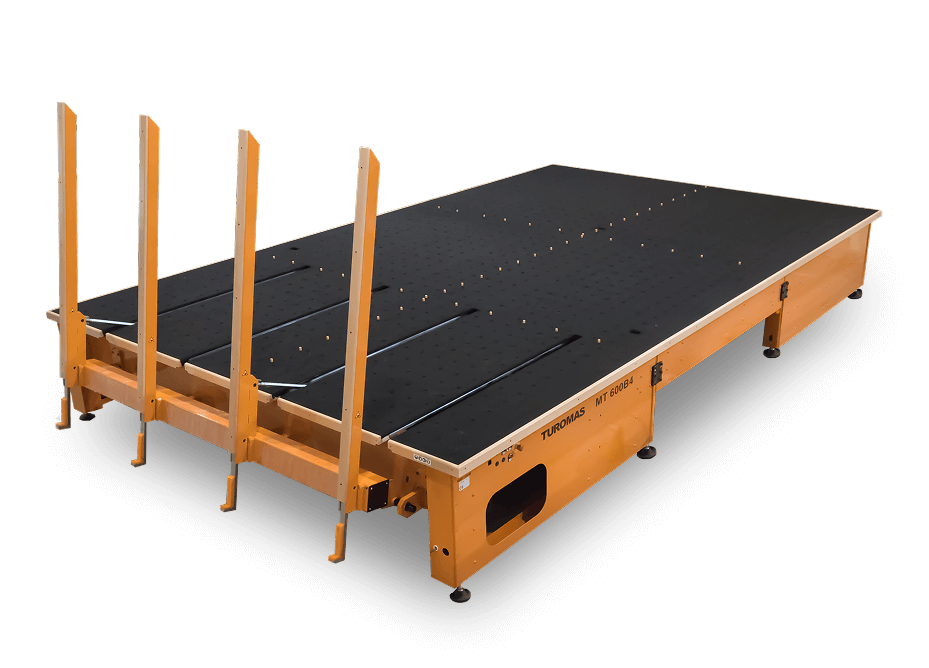
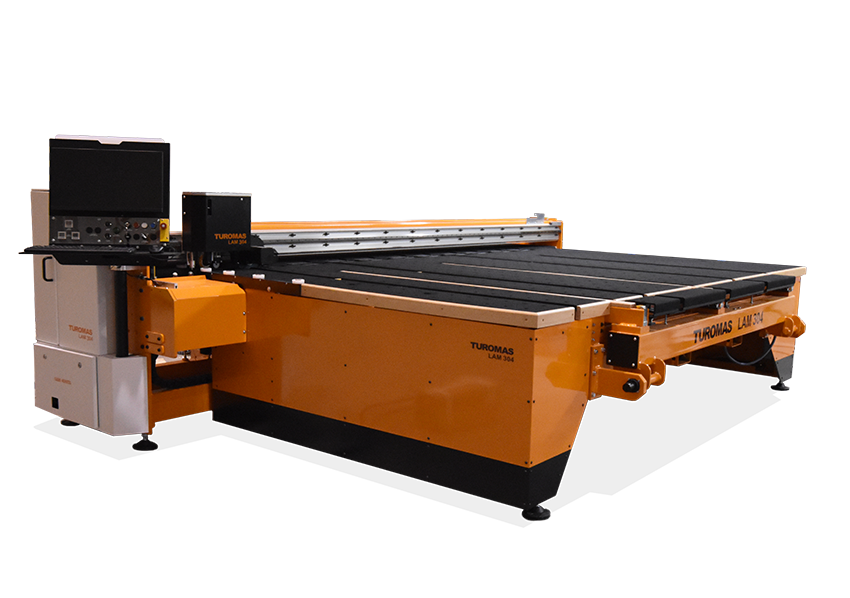
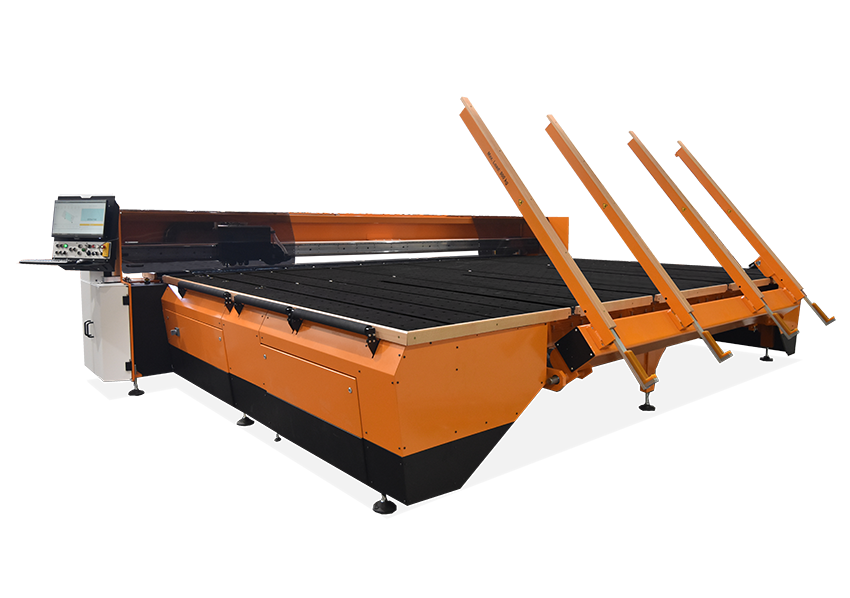
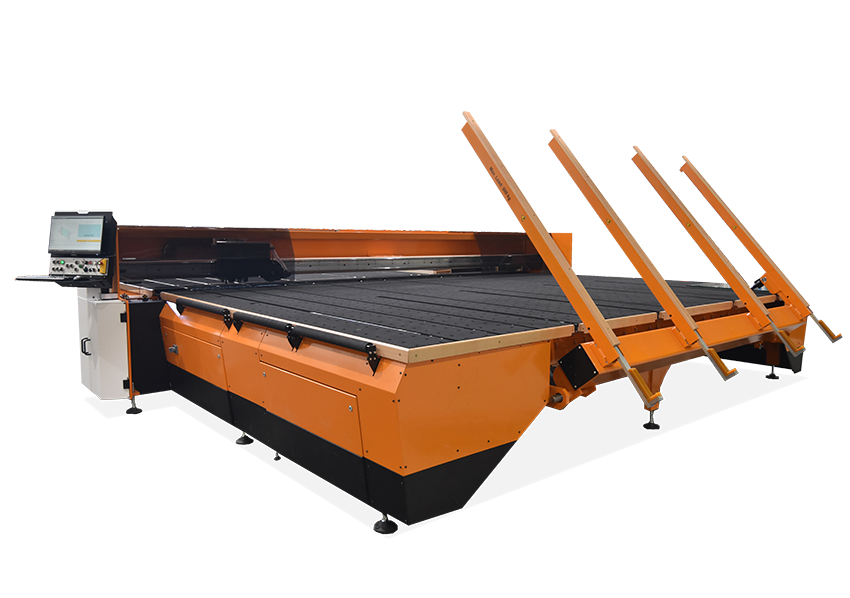
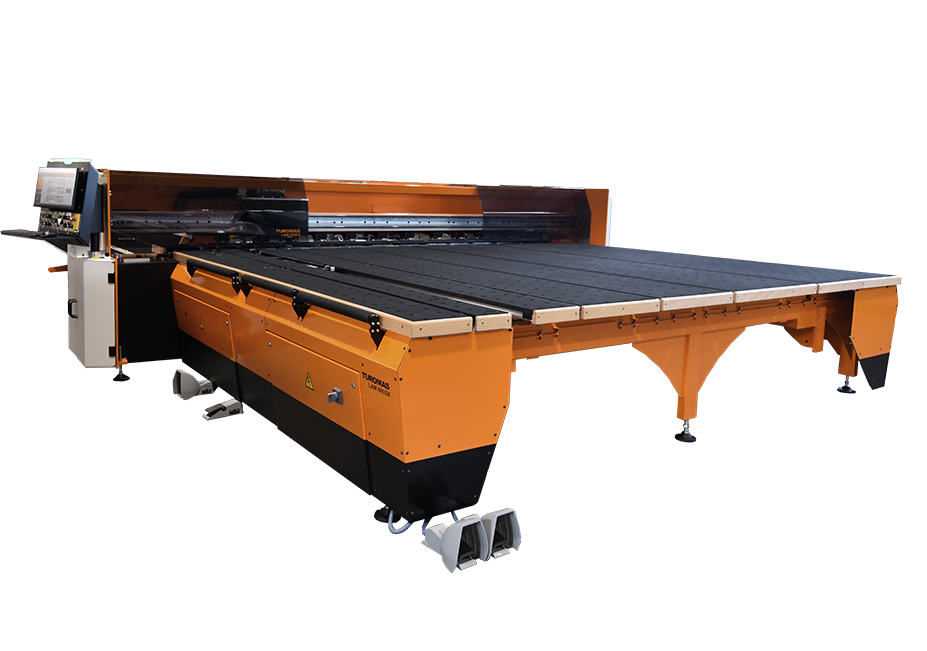







TUROMAS responds to one of the current needs of the glass market with the new ACR edge deletion system – Advanced Coating Removal, capable of removing a wide range of coatings while also managing the waste generated during the process.
In recent years, the need to offer higher-quality products with lower environmental impact has led glass suppliers to develop a wide variety of high-performance coated glass. This type of product must be protected from the moment it is manufactured and throughout all processing stages, which is why it is covered with different protective plastics or resins that must be removed during the glass cutting process.
For this reason, TUROMAS launches a new generation of edge deletion systems capable of meeting current market needs and the requirements of the most demanding customers: higher glass volumes in multiple coating formats.
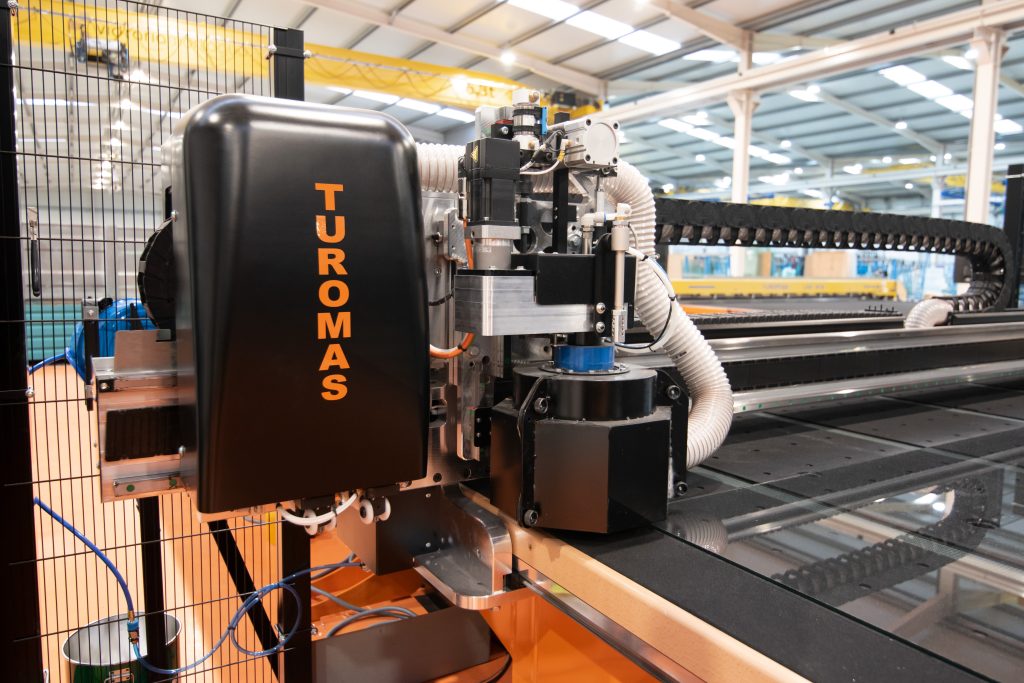
ACR edge deletion system – Advanced Coating Removal
The new high-performance self-calibrated ACR edge deletion system has been specially designed to work with glass featuring protective plastic film (TPF) and the innovative SAINT-GOBAIN EASYPRO® coating.
This SAINT-GOBAIN innovation provides effective protection for coated glass against mechanical damage and aging during transport, handling, storage, and processing, from the moment the coating is applied to the glass until tempering. During tempering, EASYPRO® simply evaporates, leaving no residue on the glass surface, inside or outside the furnace, and without any impact on people’s health and safety — a major advantage for glass processors.
The finish achieved when deleting coated glass with EASYPRO® has been certified by SAINT-GOBAIN, delivering more than satisfactory results at 100 m/min and 4,000 rpm.
The ACR system incorporates two new developments that significantly improve the glass edge deletion process: the two-phase edge deletion system and the advanced cooling system, both patented by TUROMAS.
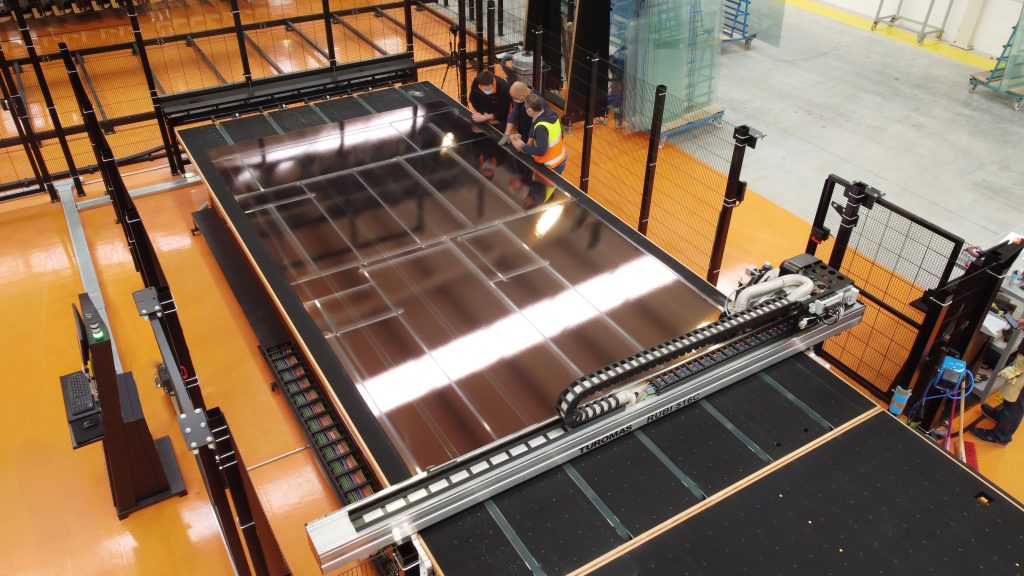
Two-phase edge deletion system
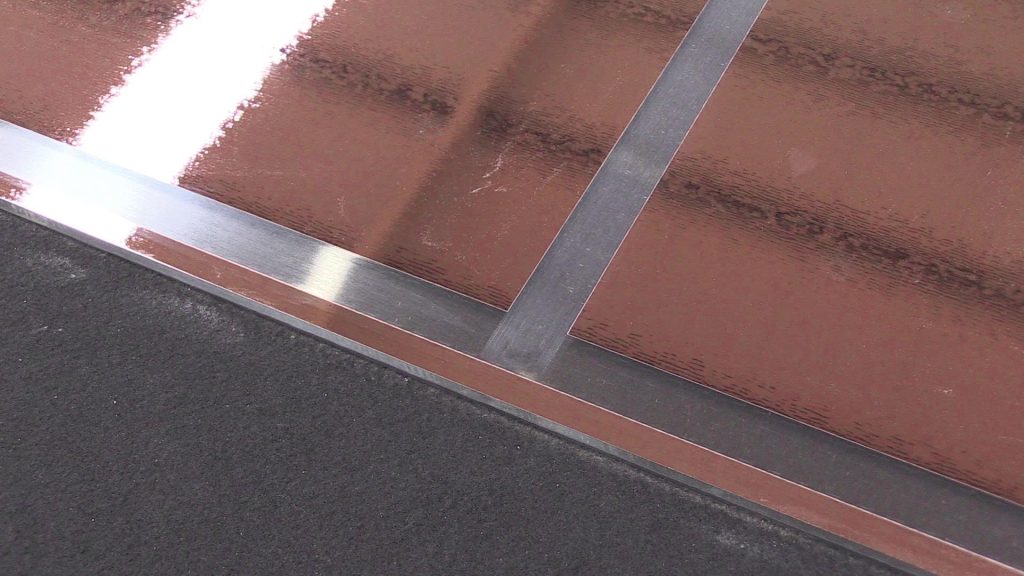
When edge deletion must be carried out on TPF glass, it is common for the edges of the protective layer to lift, exposing the low-emissivity coating underneath. For this reason, TUROMAS has developed a two-phase edge deletion system.
In the first phase, the wheel is positioned 10 mm from the relevant corner or edge and begins edge deletion in the opposite direction to prevent the protective layer from lifting. In this way, when the second phase starts, the initial section has already been processed, so the edge will not lift easily.
Advanced cooling system
ACR incorporates a cooling system that prevents significant temperature increase at the edges of the wheel. This temperature variation occurs in multi-pass processes (grinding thickness above 20 mm) or on longer glass strips.
In addition to cooling the wheel surface by blowing cold air, this airflow cleans residues adhered to the surface, greatly reducing the number of wheel sharpening operations. The air blown onto the wheel is cooled by means of a vortex tube, which allows hot air to exit through one end and cold air through the other.
Thanks to the cooling and automatic cleaning of the entire wheel surface, a perfect edge deletion finish is guaranteed in every operation, eliminating residue in the form of “barcodes” or overlap marks from multiple passes.

Three-phase industrial vacuum cleaner
The ACR edge deletion system includes a high-flow three-phase vacuum cleaner for collecting the waste generated during the coating removal process.
Thanks to its high performance, it is ideal for cleaning any type of residue, especially when large amounts of dust must be collected. The 3 kW side-channel turbine allows continuous waste collection, providing reliability and significant savings in time and resources.

Abrasive wheel
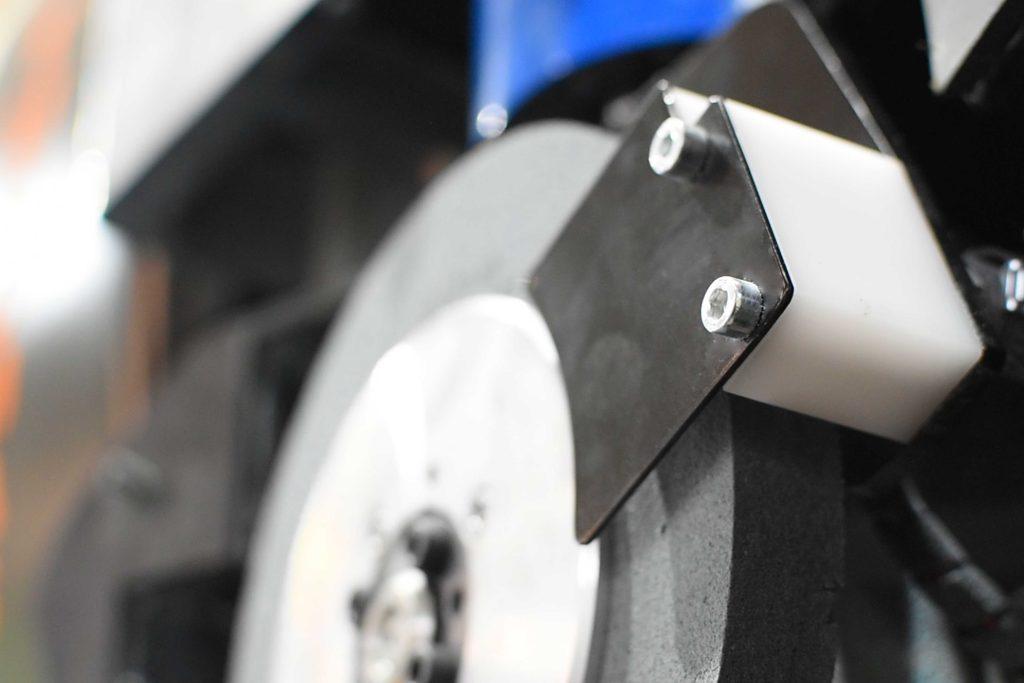
The removal of soft-coating edges is carried out uniformly using an abrasive wheel. The grinding speed for each type of coating can be predefined in the material library.
The wheel moves up and down through a magnetic drive, combined with an analog sensor and a PID controller, allowing calibration before each grinding operation to ensure constant and homogeneous pressure.
The system removes any type of coating in a single operation, improving cycle time.
It performs both linear operations and shaped cuts thanks to the multi-turn orientation system, capable of rotating more than 360°, and it allows the deletion width to be increased by carrying out multiple passes or by replacing the wheel with a larger one (20–30 mm).
Hermetic housing
The entire system is protected by a specially designed housing that concentrates the suction of the waste generated during the edge deletion process.
Its airtight design makes it ideal for preventing air losses. At the same time, it incorporates a simple opening system to facilitate wheel replacement and maintenance operations.
Air ducting
The industrial vacuum cleaner is connected to the edge deletion system through an 80 cm hose arranged along the cutting bridge and the side of the table.
To ensure proper alignment and airflow, the hose is guided through drag chains specifically designed for this function.